Blog
Notes on email hosting, domains and running your own mail.
Privacy Mailbox Service Review: What Matters
A privacy mailbox service review for people who want a private, professional email address, practical controls, and annual pricing they can understand too.
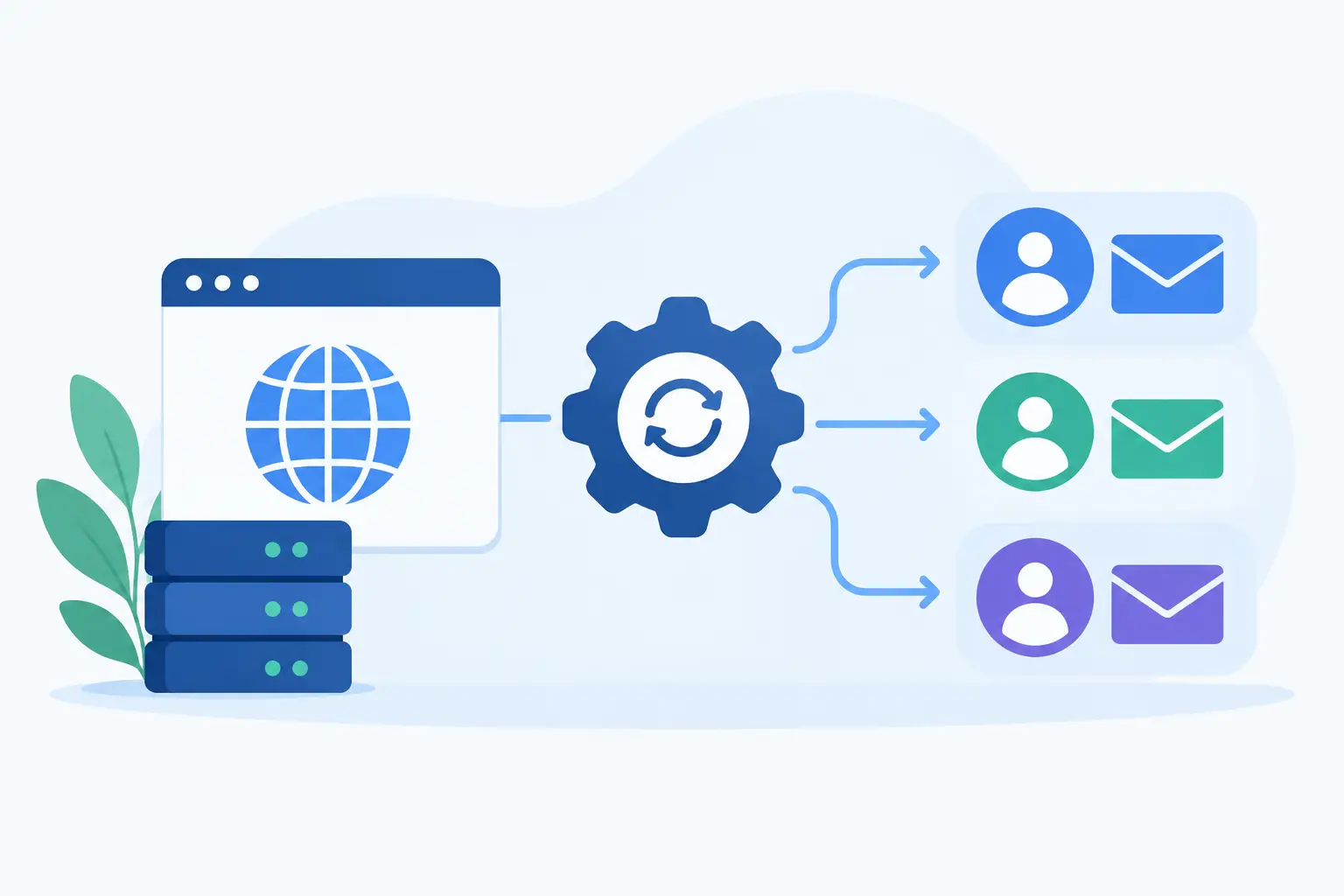
How to Automate Domain Mailbox Provisioning
Learn how to automate domain mailbox provisioning with a practical API workflow for domains, users, aliases, DNS checks, and onboarding at scale.
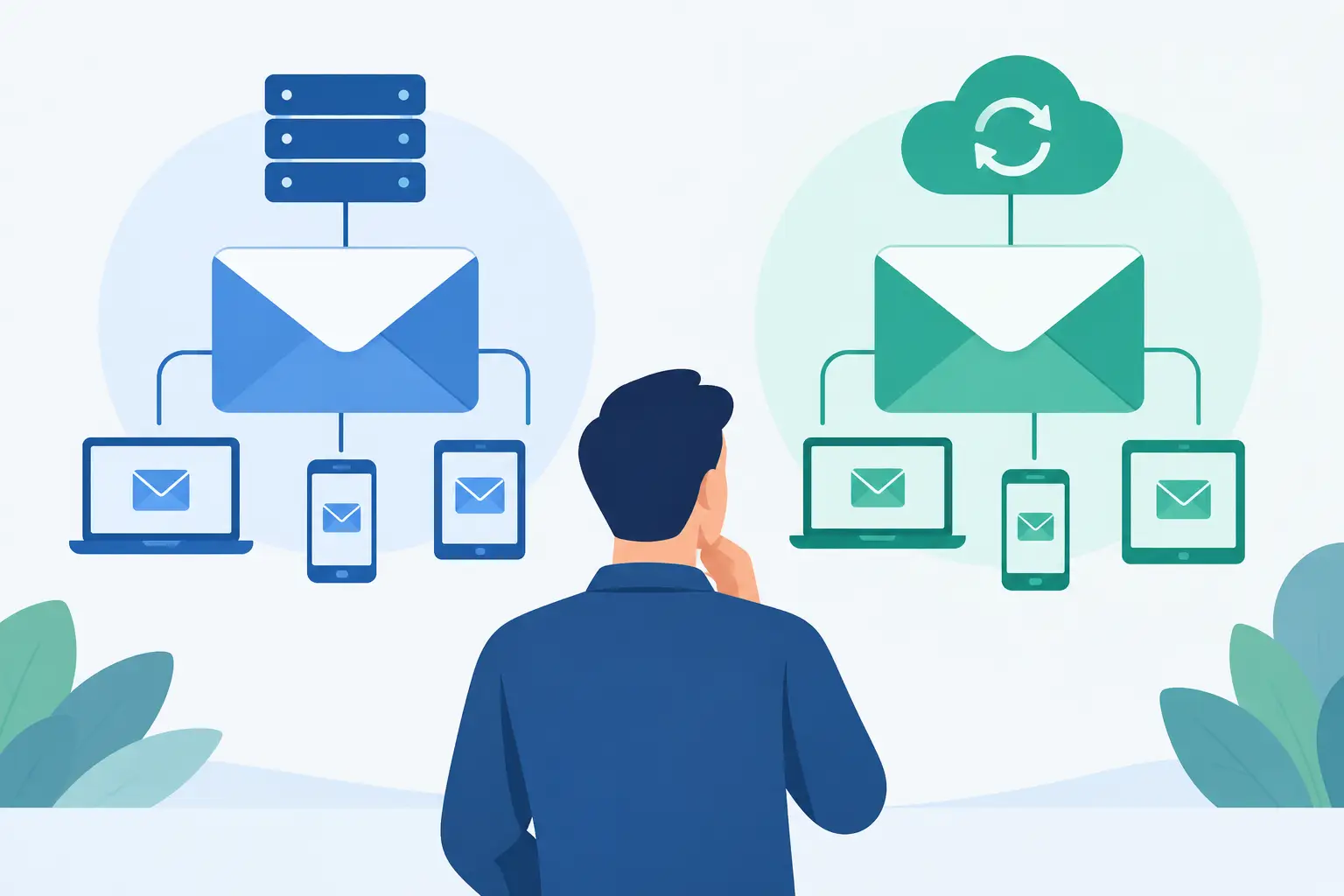
IMAP Versus JMAP Access: Which Fits Your Email?
Compare IMAP versus JMAP access for custom-domain email. Learn what changes in your mail app, what stays the same, and which protocol fits your setup.
How to Create Role Based Inboxes That Work
Learn how to create role based inboxes for sales, support, billing, and projects without losing ownership, context, or accountability across your team.
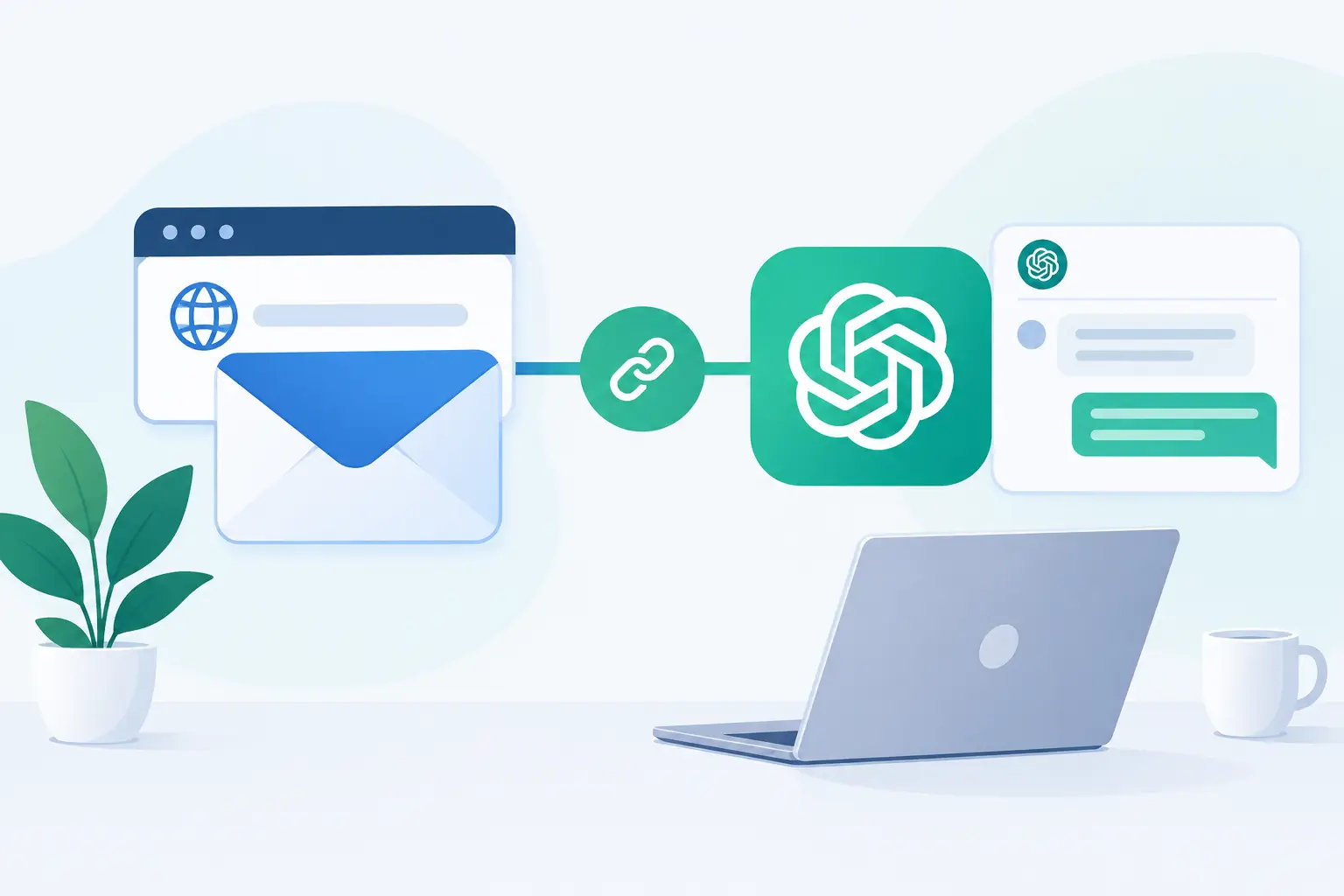
How to Connect ChatGPT to Custom Domain Email
Learn how to connect ChatGPT to custom domain email for search, drafts, and organization while keeping outgoing messages under your approval each time.

Migadu Email Review for Families and Teams
Our Migadu email review covers pricing logic, sending limits, storage, setup, and when a fixed-price custom-domain suite may fit better for you today.
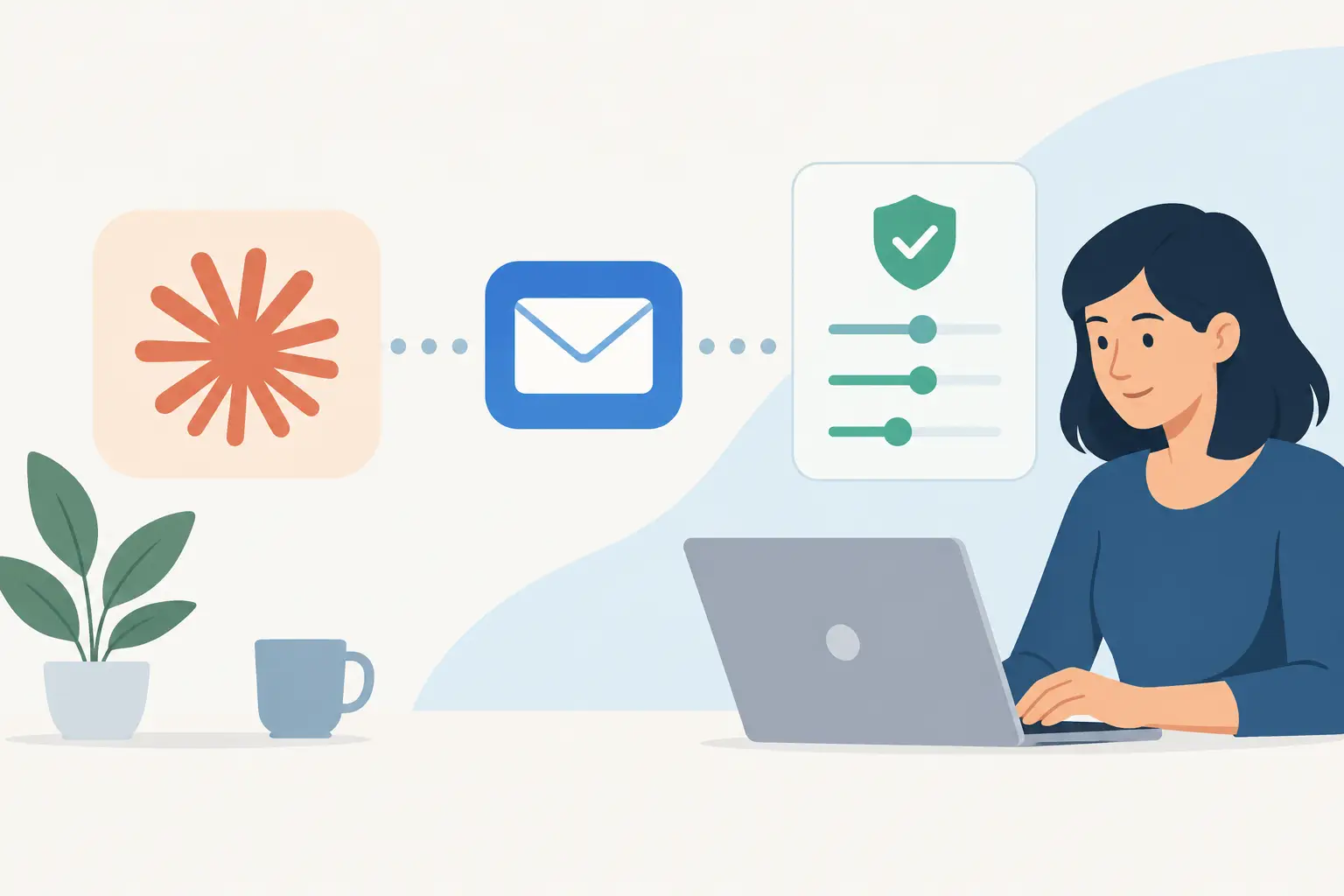
How to Connect Claude to Email With Control
Learn how to connect Claude to email safely, search messages, organize folders, and prepare drafts while you retain approval for every send at work now.

Choosing a Google Workspace Email Alternative
Considering a Google Workspace email alternative? Learn how to compare pricing, mail features, migration, calendars, and meeting needs before switching.
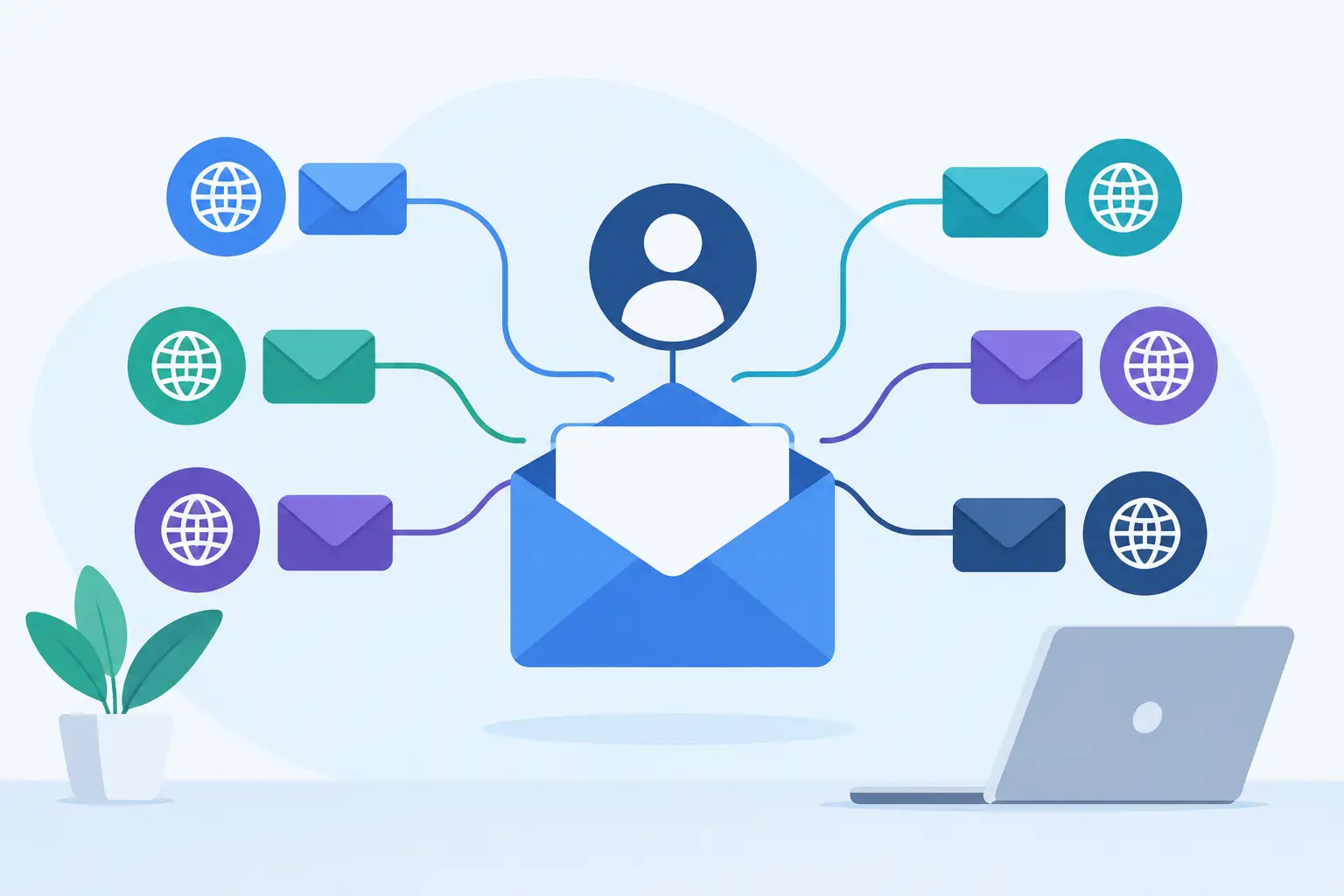
Email Aliases Across Multiple Domains Explained
Learn how email aliases across multiple domains keep brands, projects, and people organized without forcing everyone into another mailbox or a new login.
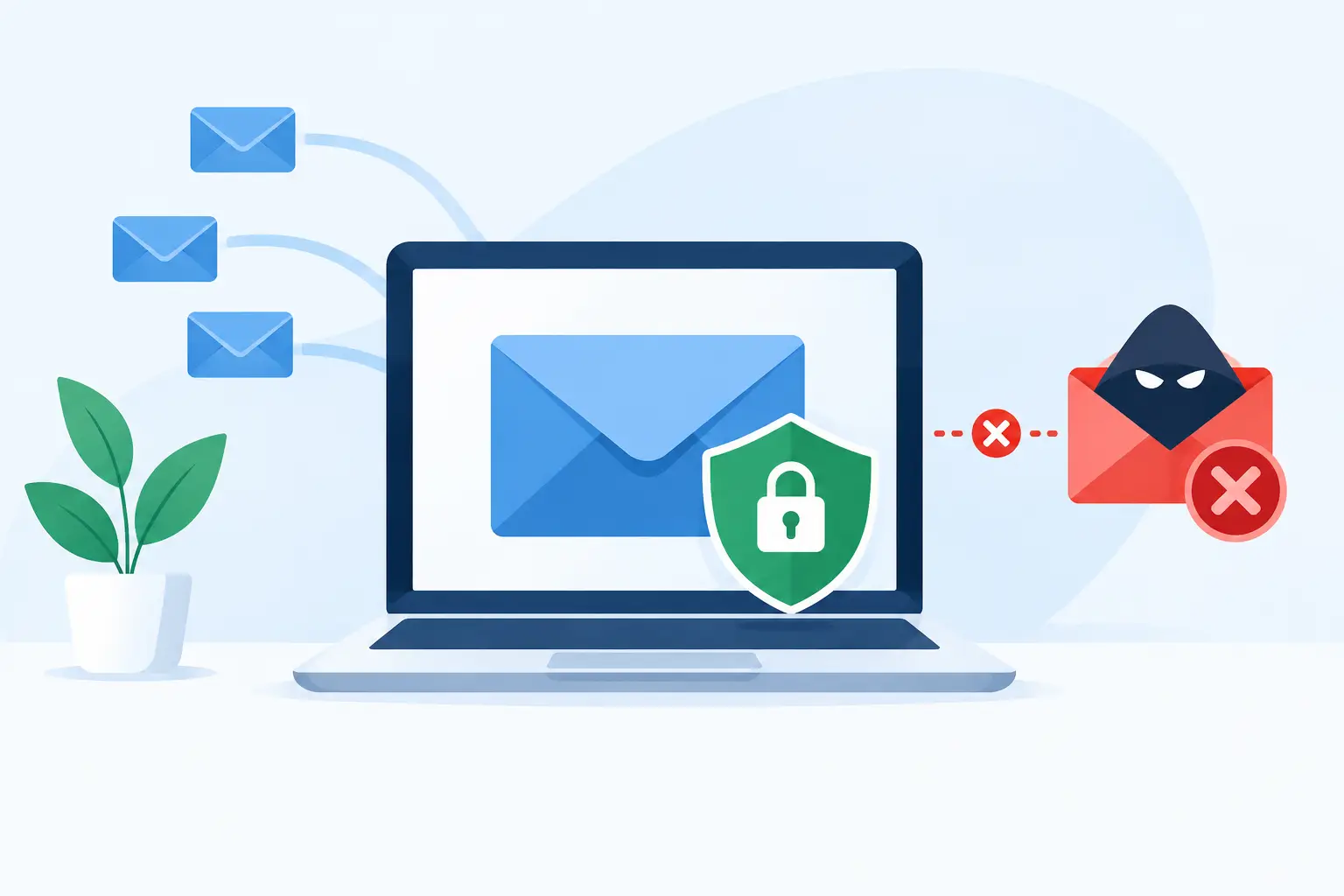
How to Prevent Email Spoofing on Your Domain
Learn how to prevent email spoofing with SPF, DKIM, and DMARC, plus practical steps for protecting your domain and responding when fraud appears in time.
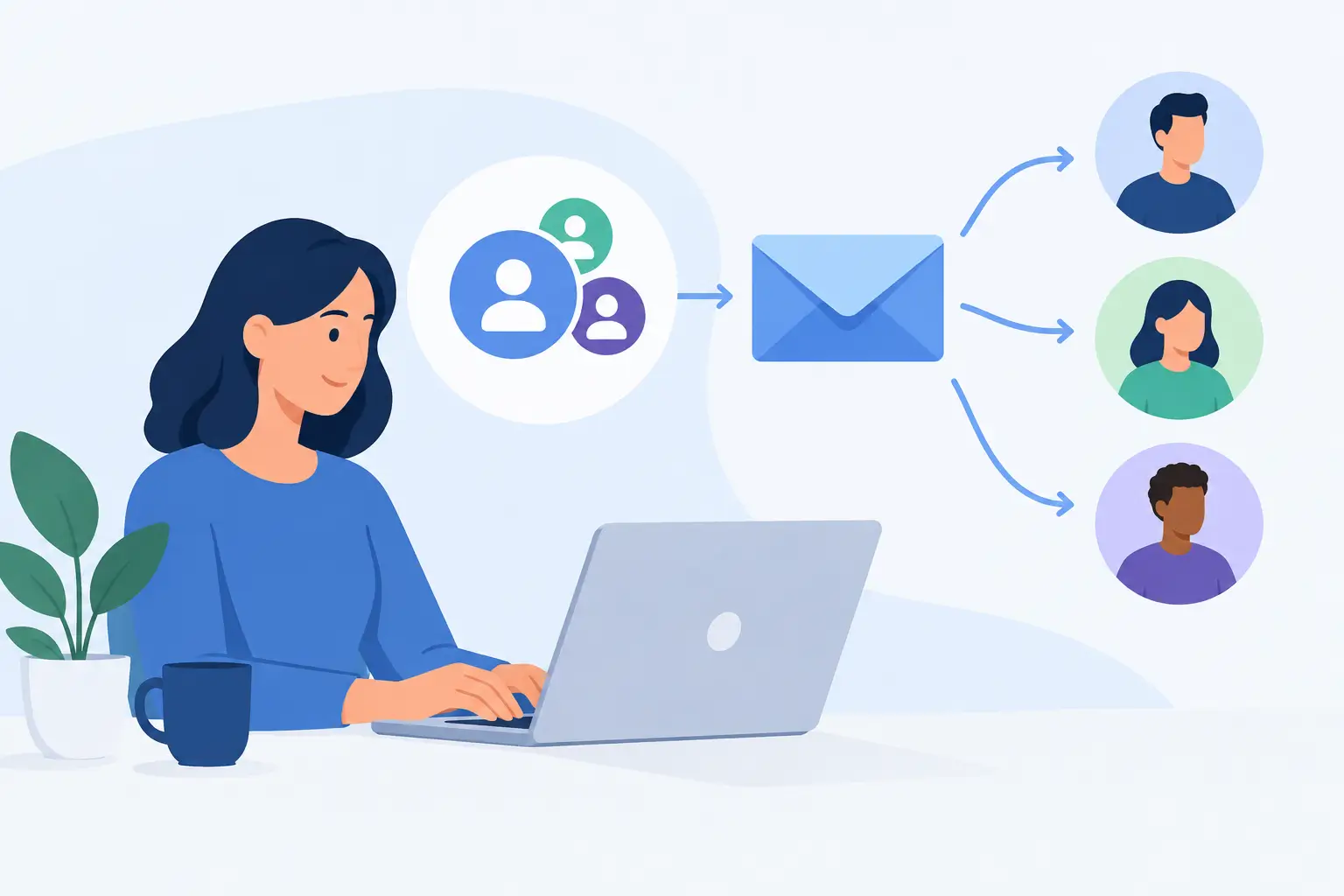
How to Send Email From an Alias Without Confusion
Learn how to send email from an alias, choose the right sender, protect replies, and set clear team rules for professional domain email that work daily.
FranklyMail Drive: file storage and sharing with your business email
FranklyMail Drive is available to every mailbox. Upload folders, share files with your team or invited guests, and use your existing storage pool without per-person fees.

Small Team Mailbox Guide for Better Email
This small team mailbox guide explains how to give everyone a professional address, use shared aliases, and keep costs predictable as your team grows.
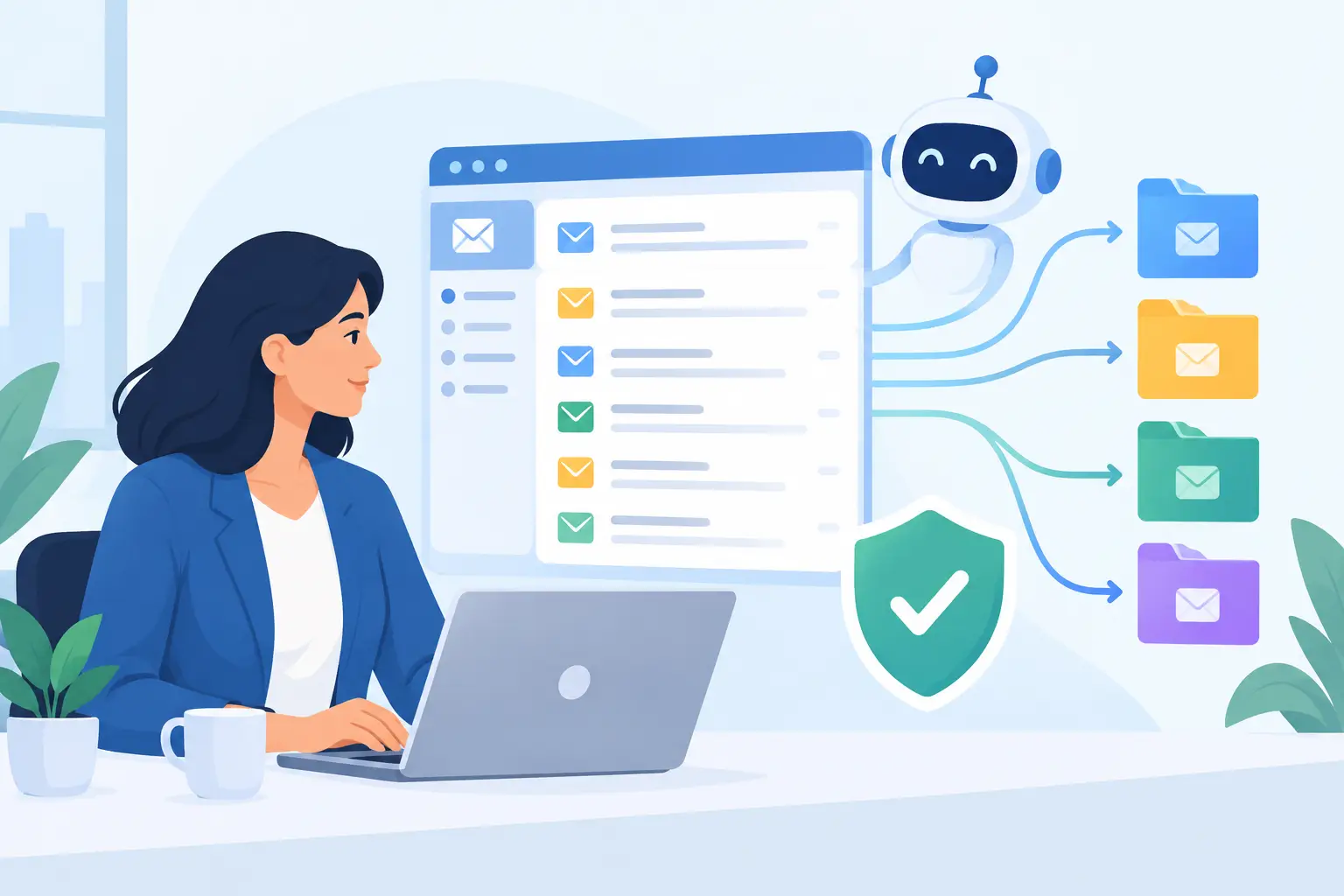
How to Organize Email With AI Without Losing Control
Learn how to organize email with AI using clear folders, focused searches, safe bulk actions, and reviewable drafts that keep you in control every day.
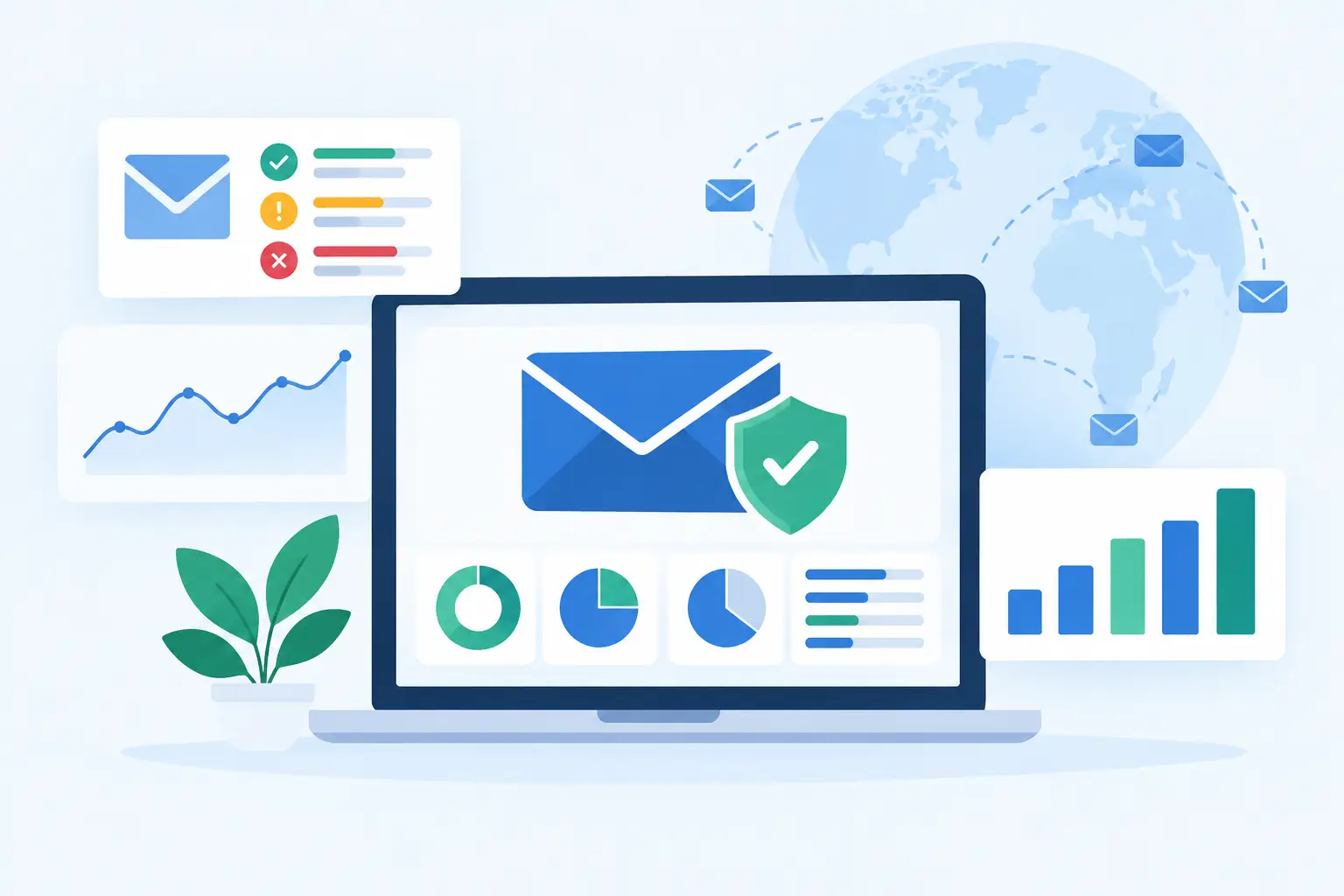
What DMARC Reporting Can Actually Tell You
DMARC reporting shows who sends mail for your domain, what passes authentication, and where failures occur so you can tighten policy with care over time.

Video Conferencing for Small Business That Fits
Choose video conferencing for small business with the right limits, guest access, and calendar workflow without paying for features you will not use daily.
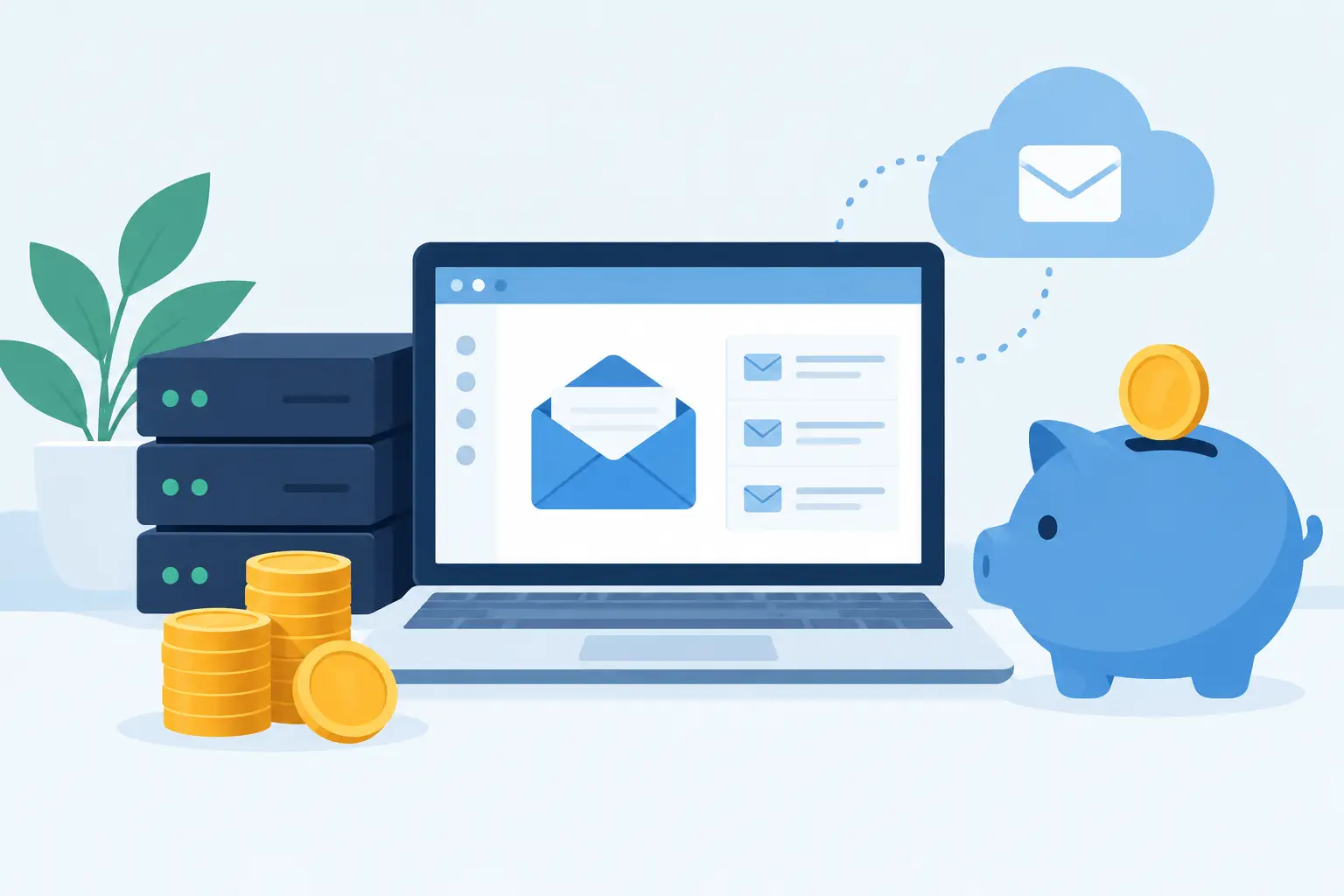
Budget Email Host Review for Real-World Costs
Our budget email host review explains pricing models, storage, migration, and collaboration tools so you can choose a domain email plan with fewer surprises up front.
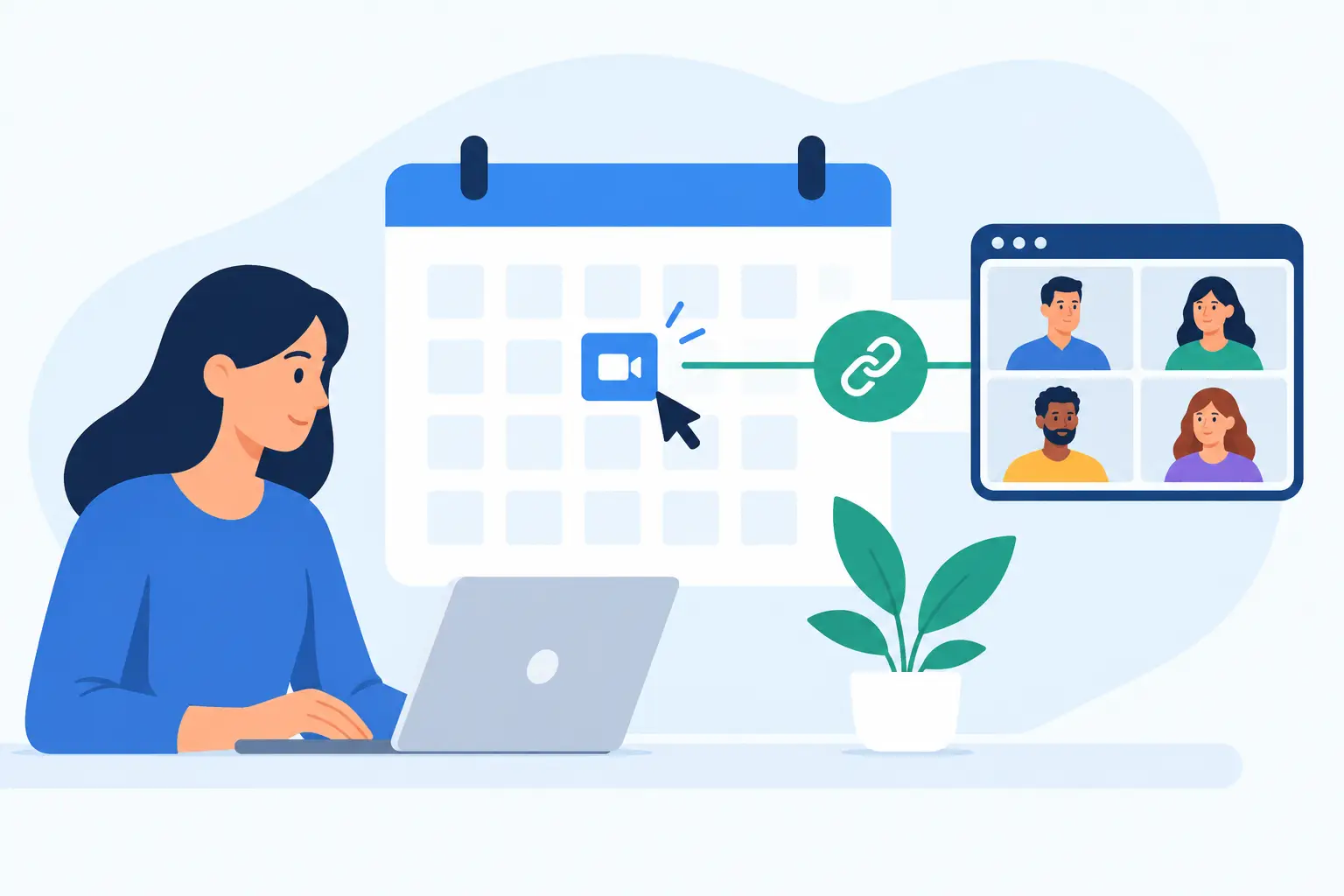
How to Add a Video Meeting Link to a Calendar Invite
Learn how to add a video meeting link to a calendar invite, choose useful settings, and prevent missing-link follow-ups before your next call.

How to schedule an email in FranklyMail and send it later
Schedule emails in FranklyMail webmail or with your AI assistant. Choose a time zone, review before sending, and edit or cancel from one Scheduled view.
Proton’s AI controversy: what should you expect from your email provider?
Understand Proton’s AI controversy, what it means for email users, and how to compare alternatives on privacy, portability, control, and cost.
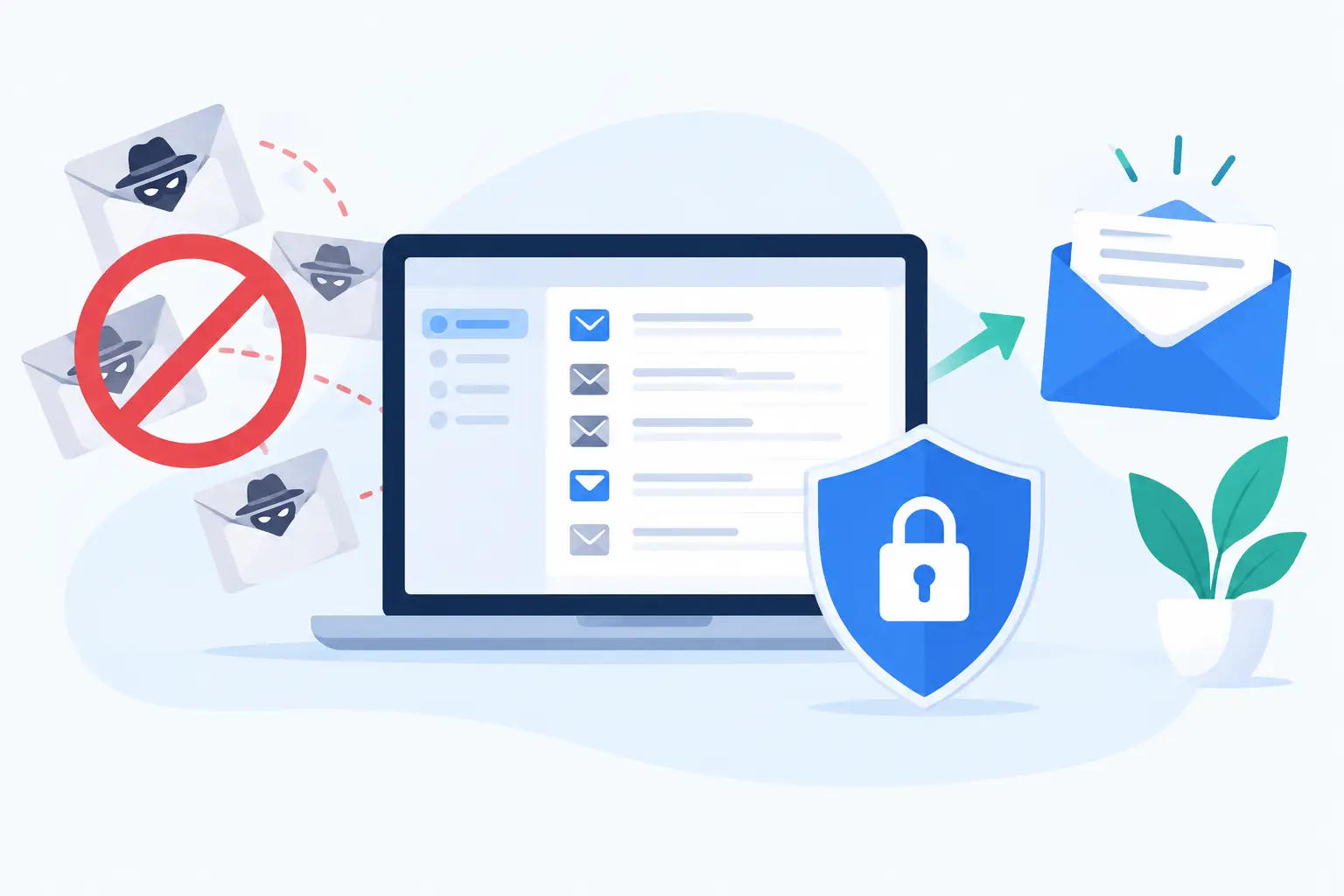
How to Block Spoofed Senders Without Losing Mail
Learn how to block spoofed senders with SPF, DKIM, DMARC, and mailbox filters - without rejecting legitimate forwarding or misconfigured messages too.

Building an affordable business suite, together
A founder’s note on FranklyMail Meet, Calendar and our path toward an affordable Google Workspace alternative, shaped by the people who use it.

FranklyMail Meet: video meetings included with business email
Meet with up to 10 people for 90 minutes. FranklyMail Meet includes browser-based video calls, screen sharing, guest access and Calendar meeting links.
Best Email for Startups Without Per-User Fees
Find the best email for startups: custom-domain mail, predictable costs, standards-based access, migration options, and no per-user billing surprises.
How to Enable Two Factor Authentication for Email
Learn how to enable two factor authentication for custom-domain email, choose the right method, protect recovery codes, and avoid lockouts safely now.
Fastmail Cheaper Alternative for Custom Email
Looking for a Fastmail cheaper alternative? Compare pricing, migration, storage, apps, and the trade-offs behind low-cost custom-domain email hosting.
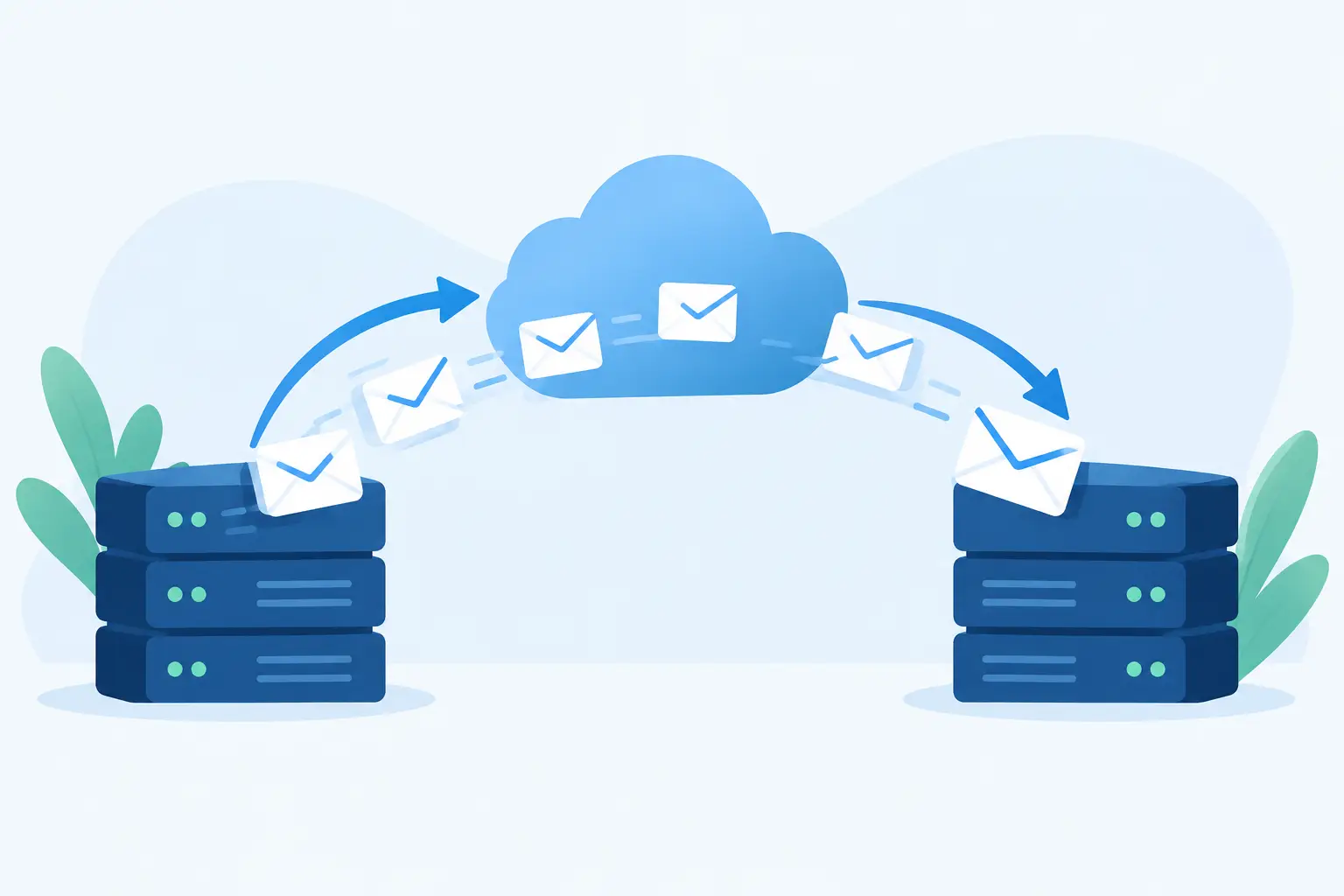
How to Move Mail Between Hosts Without Losing It
Learn how to move mail between hosts with IMAP, preserve folders and dates, cut over DNS safely, and avoid lost messages or duplicate mail during cutover.
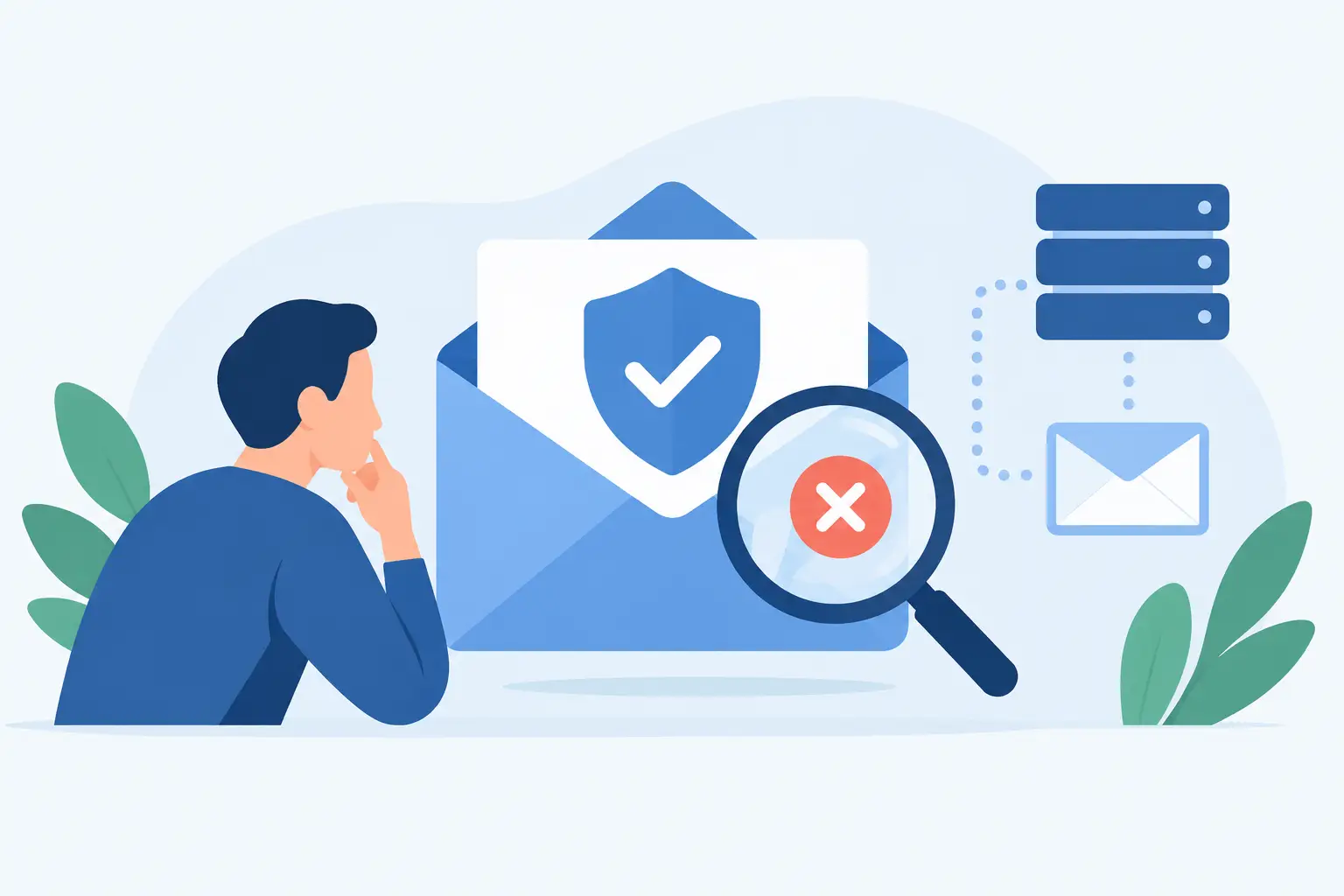
How to Troubleshoot DKIM Alignment Failures
Learn to troubleshoot DKIM alignment failures by tracing signing domains, correcting DNS and vendor settings, and restoring DMARC compliance for real mail.

Introducing FranklyMail Calendar: email and scheduling on your own domain
Meet FranklyMail Calendar: shared calendars, meeting invitations, recurring events and CalDAV sync alongside your custom domain email. Here is how to get started.
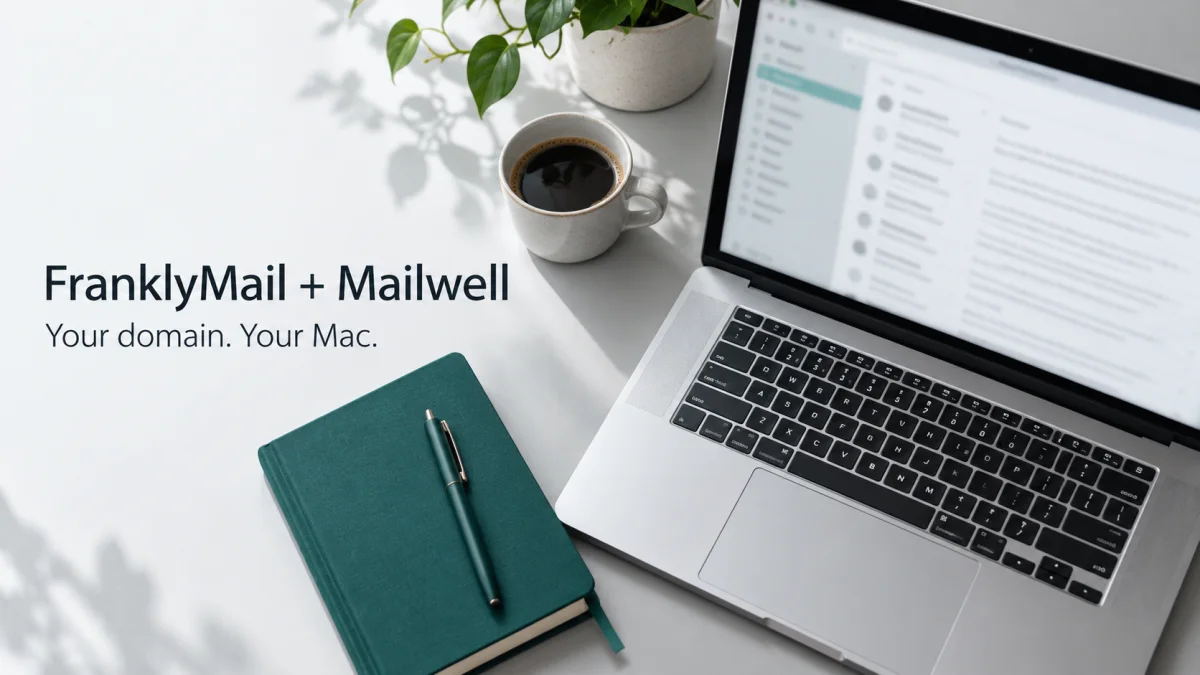
FranklyMail + Mailwell: a native Mac email workflow with JMAP
Set up FranklyMail email on your own domain in Mailwell for Mac, with JMAP sync, a unified inbox and local search. Includes setup steps and pricing.
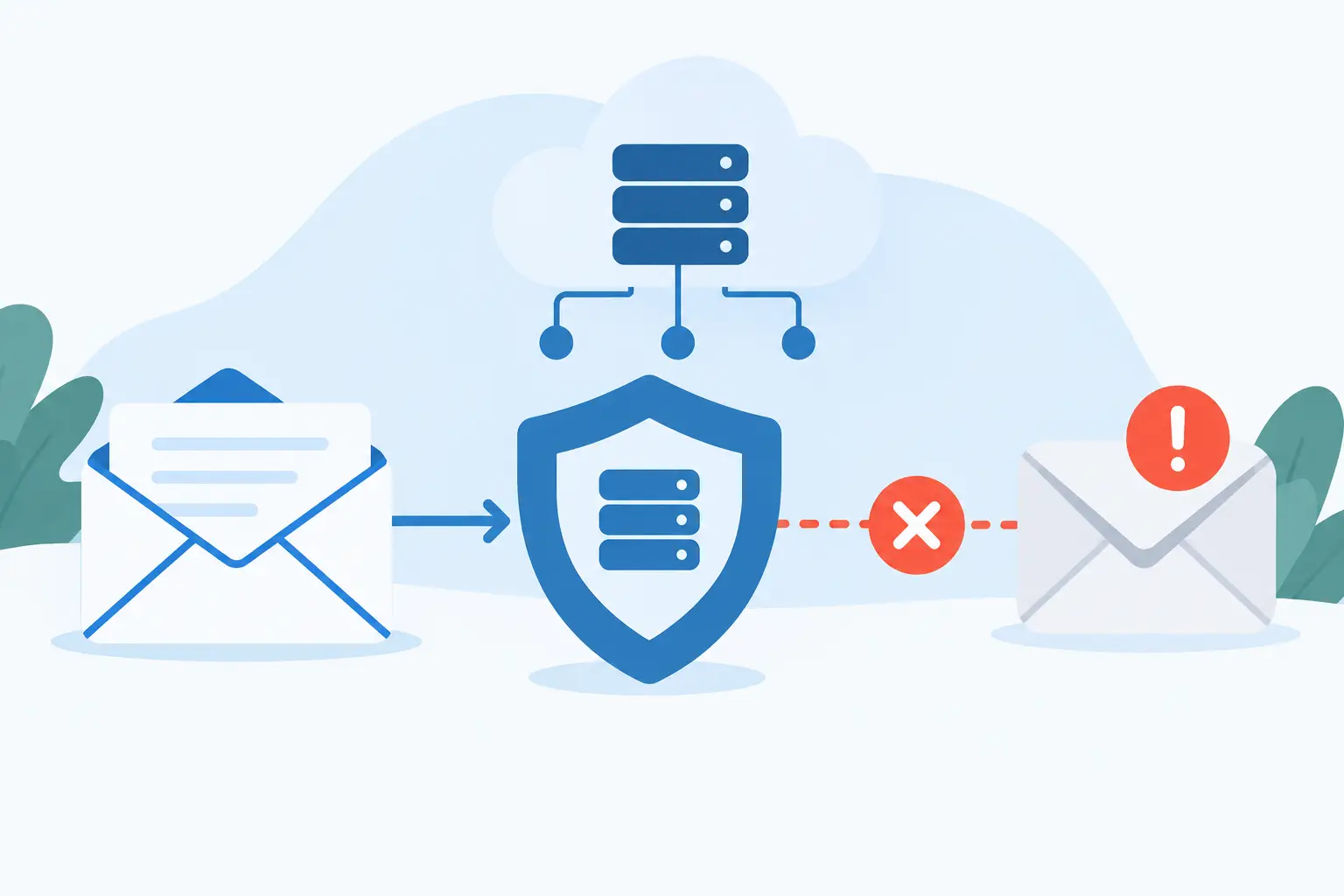
What Causes SPF Failures? A Practical DNS Guide
What causes SPF failures? Learn how DNS lookups, stale senders, forwarding, and SPF syntax break email authentication - and how to fix them in production.
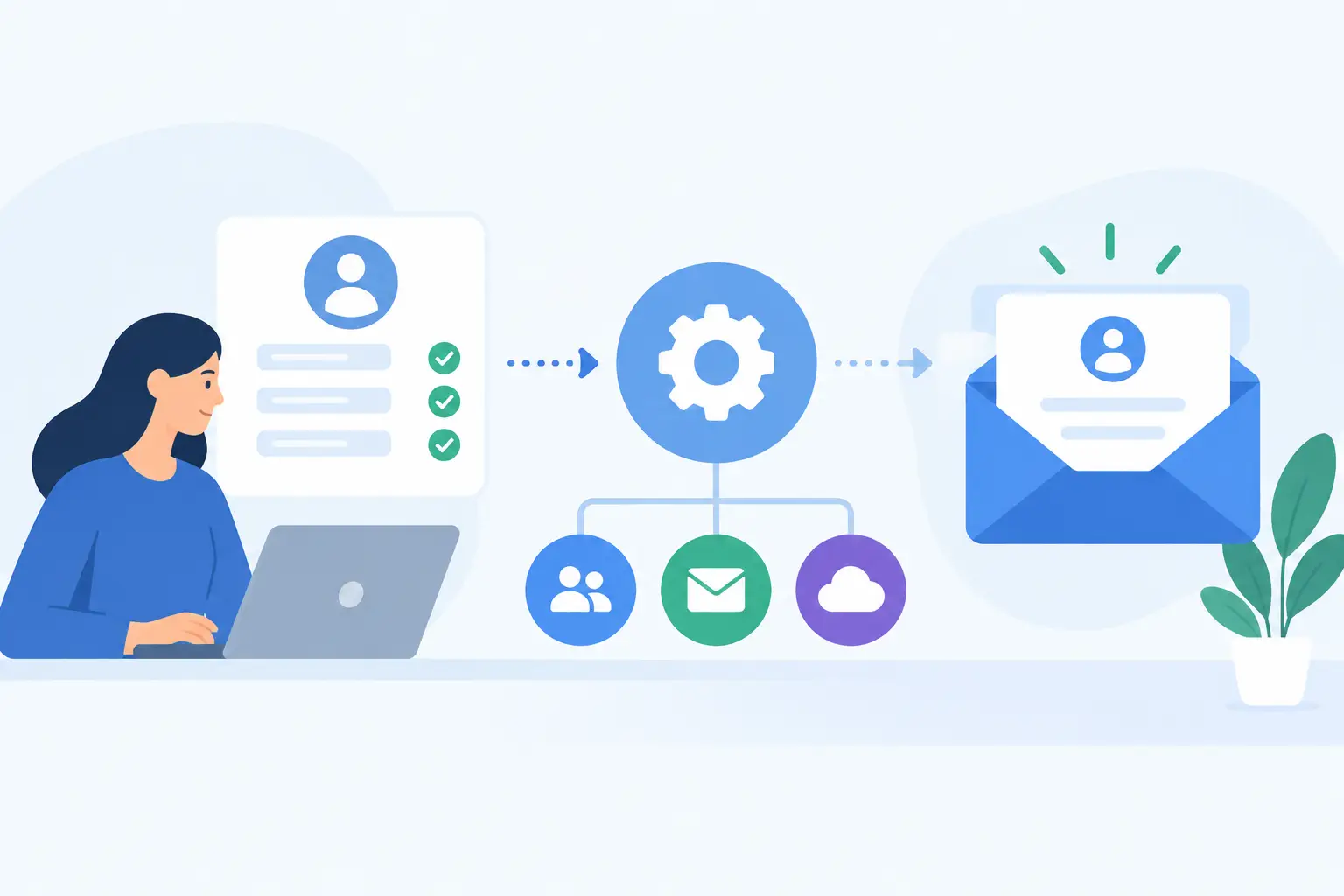
Automated Account Provisioning Example for Email
See an automated account provisioning example for custom-domain email, from a new hire trigger to mailbox, aliases, access, DNS checks, and offboarding.
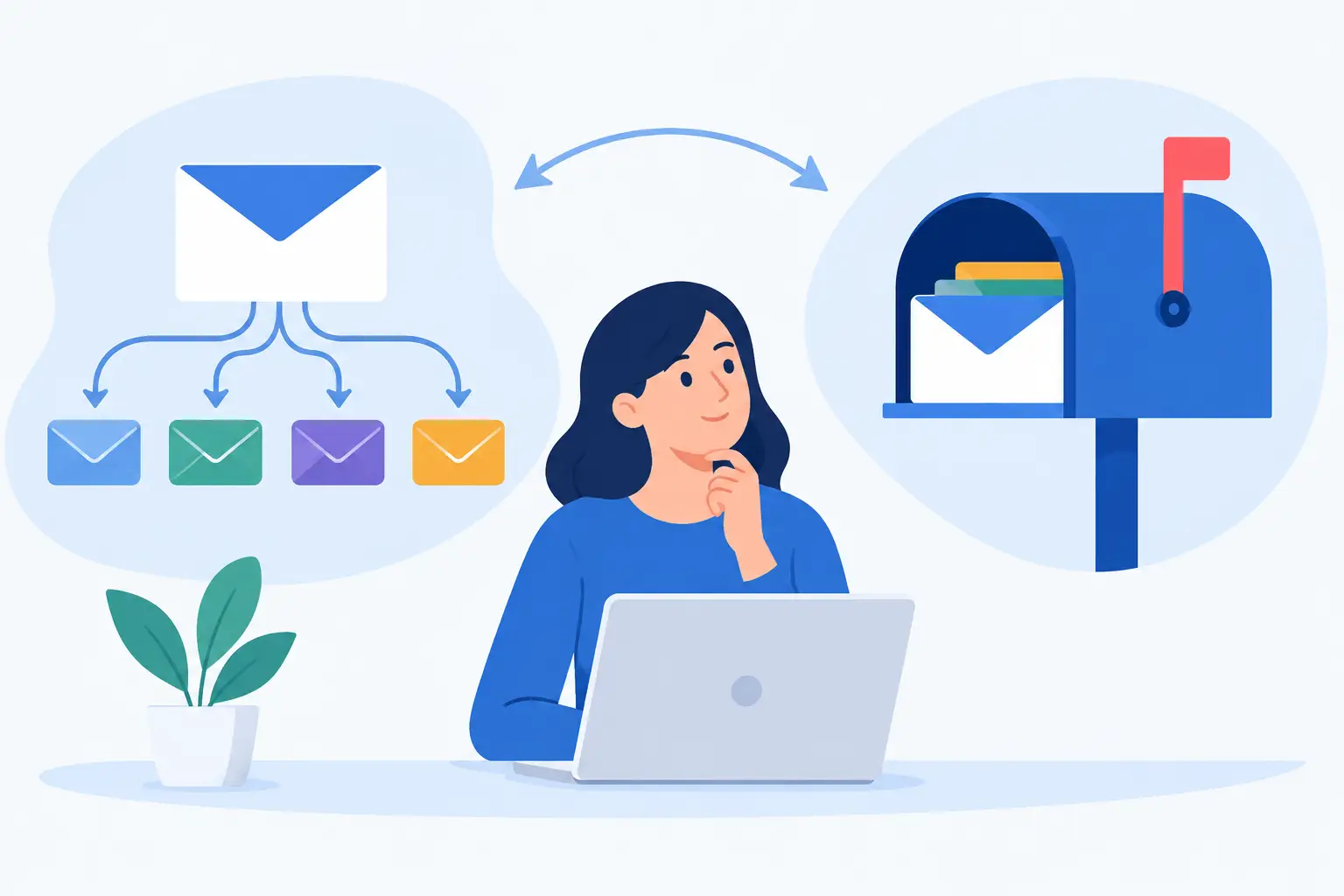
Email Aliases Versus Mailboxes Explained
Email aliases versus mailboxes serve different jobs. Learn when each makes sense, how delivery works, and how to keep your custom domain organized well.
Best Email for Freelancers Without Per-Seat Fees
Find the best email for freelancers by comparing custom domains, cost, privacy, migration, apps, and the trade-offs behind each provider before you pay.
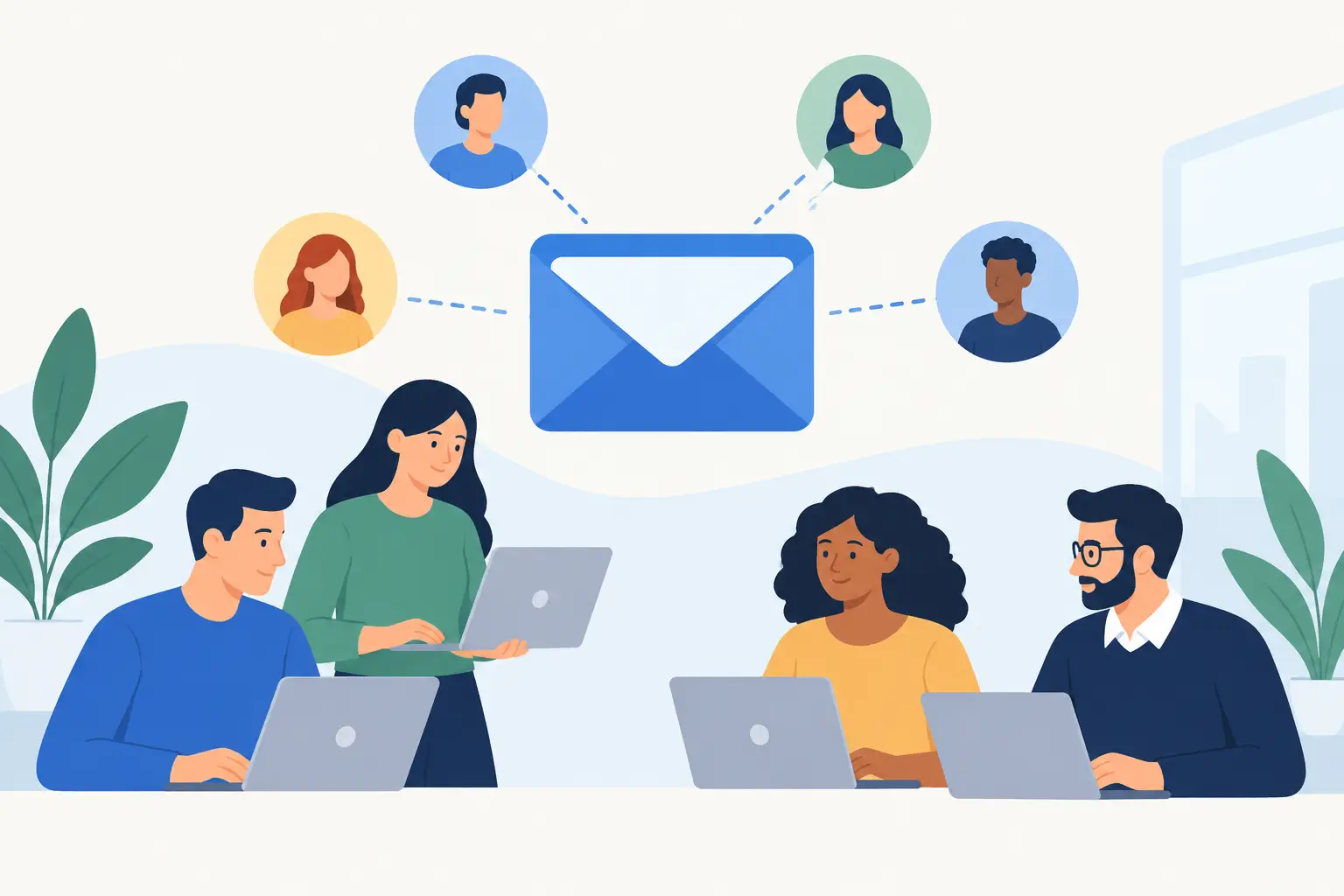
How to Create Team Email Addresses Without Seat Fees
Learn how to create team email addresses for people, roles, and projects without per-user fees, while keeping access, security, and ownership clear rules.
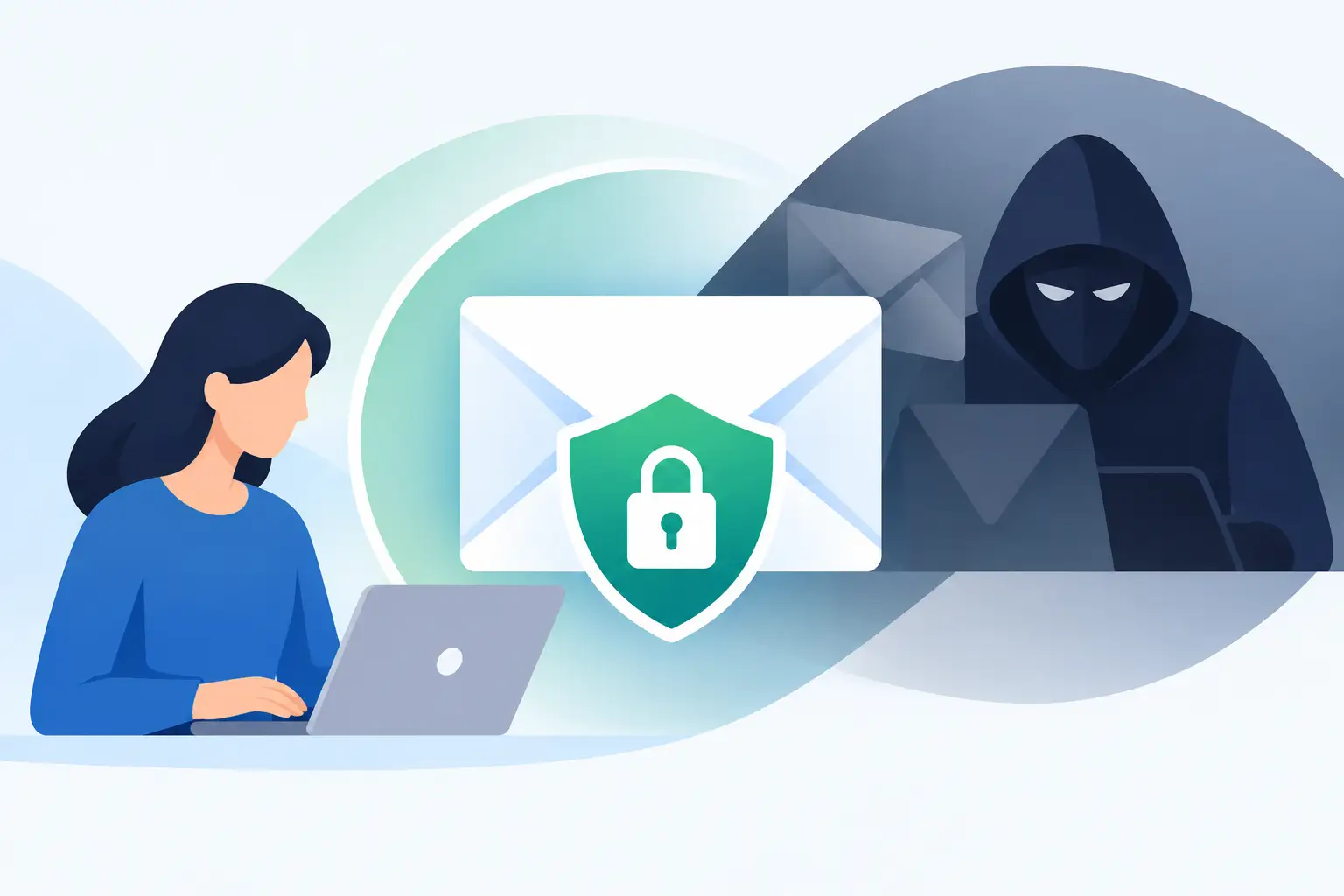
Why Email Needs DMARC Before Someone Impersonates You
Why email needs DMARC: stop domain spoofing, protect customer trust, and see which DNS records matter before a fake message lands in an inbox for good.
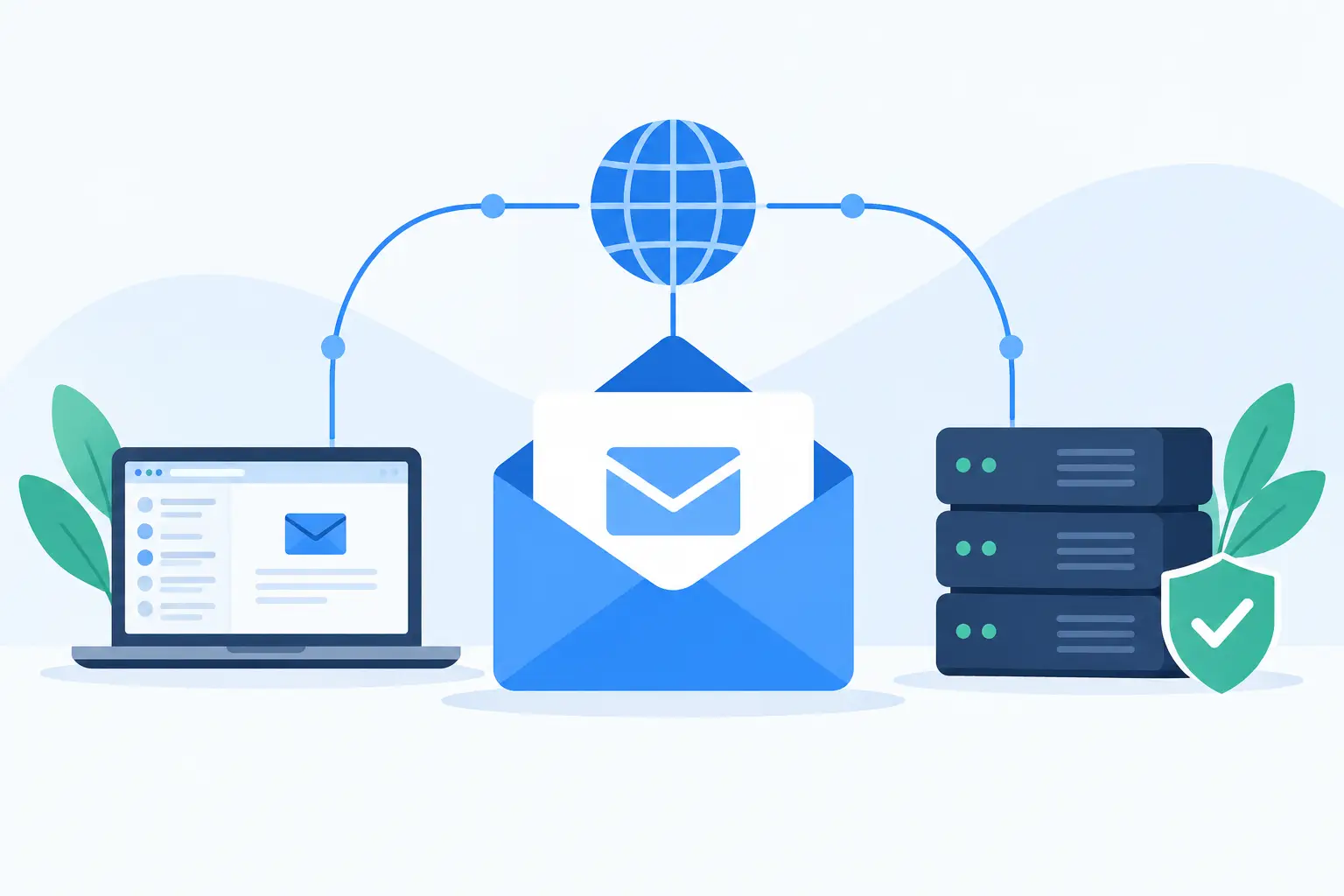
DNS Email Configuration Without the Guesswork
Set up DNS email configuration correctly with MX, SPF, DKIM, and DMARC records. Avoid common mistakes and verify mail first before changing providers.
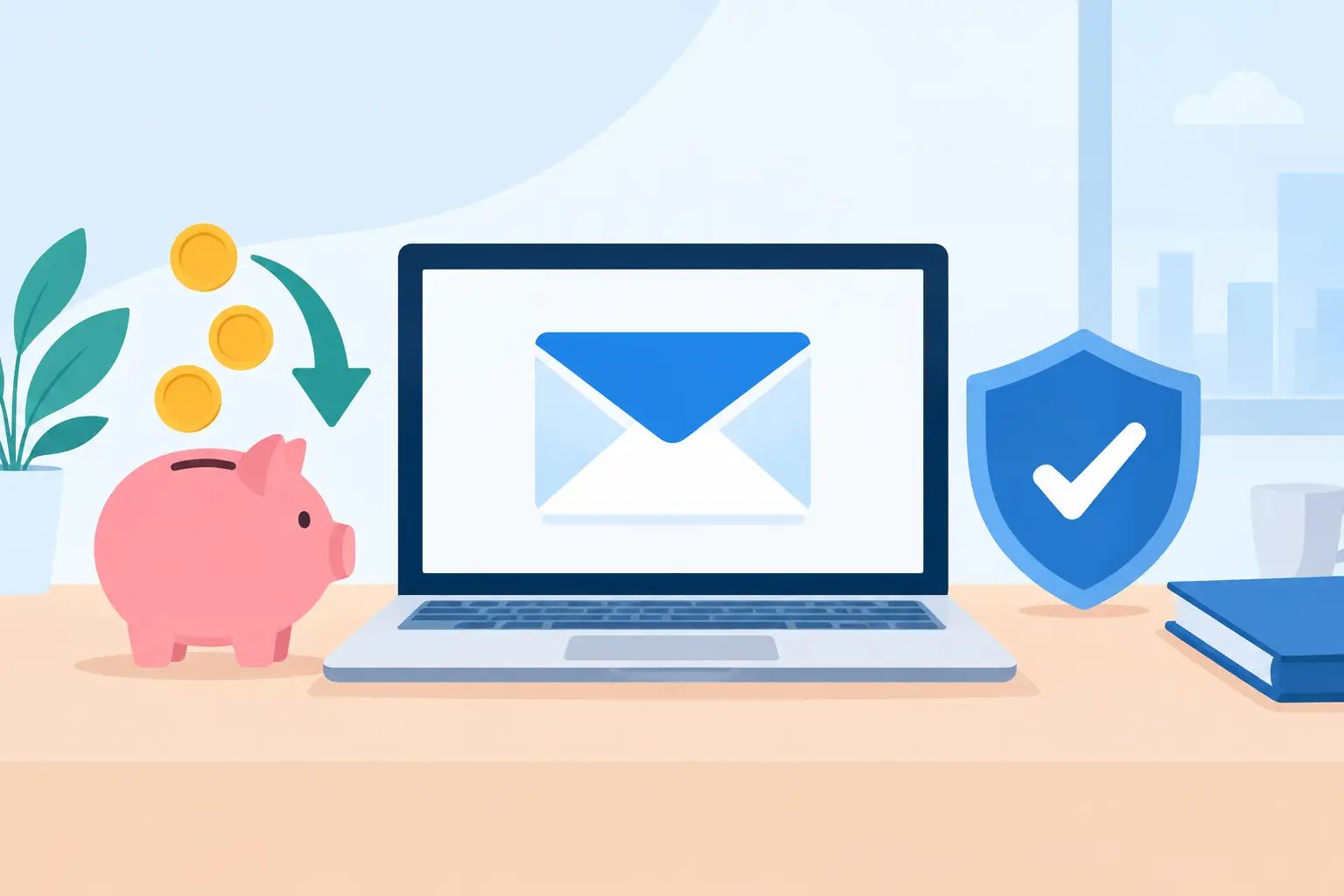
Email Cost Reduction Without Cutting Corners
Email cost reduction starts with removing per-seat billing, paying for storage you use, and keeping your domain, mailboxes, and data portable long term.

Per User Versus Pooled Storage: What Costs Less?
Per user versus pooled storage changes how email costs grow. See which model fits your domains, archives, team size, and actual storage use over time now.
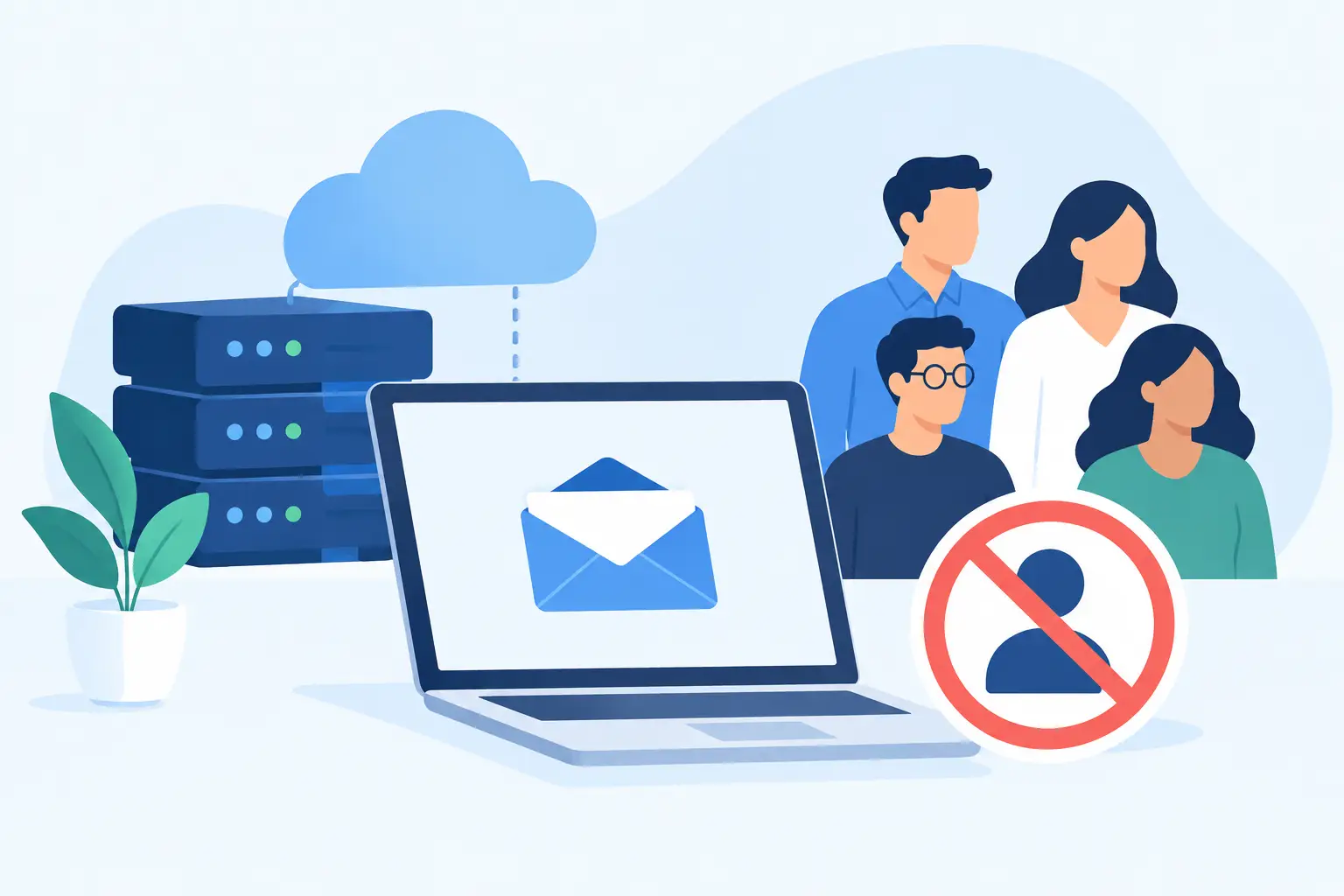
Domain Email Setup Without Per-User Pricing
Domain email setup, explained: choose a host, configure DNS, migrate old mail, and protect deliverability without paying for every inbox you create.
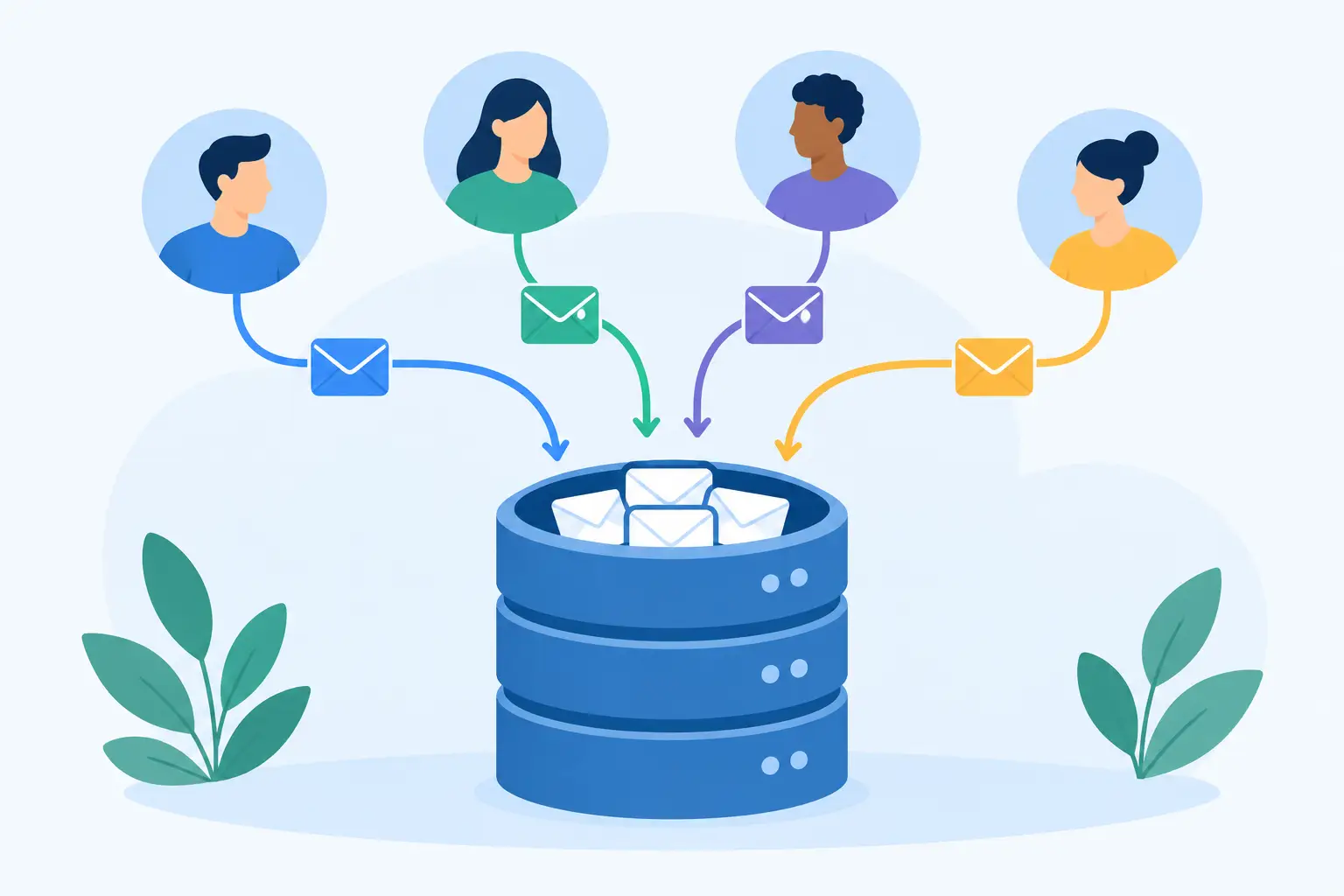
Pooled Storage Planning for Email That Stays Simple
Pooled storage planning helps size custom-domain email for actual use, avoid per-seat waste, and add capacity only as archives grow over time. No bloat.
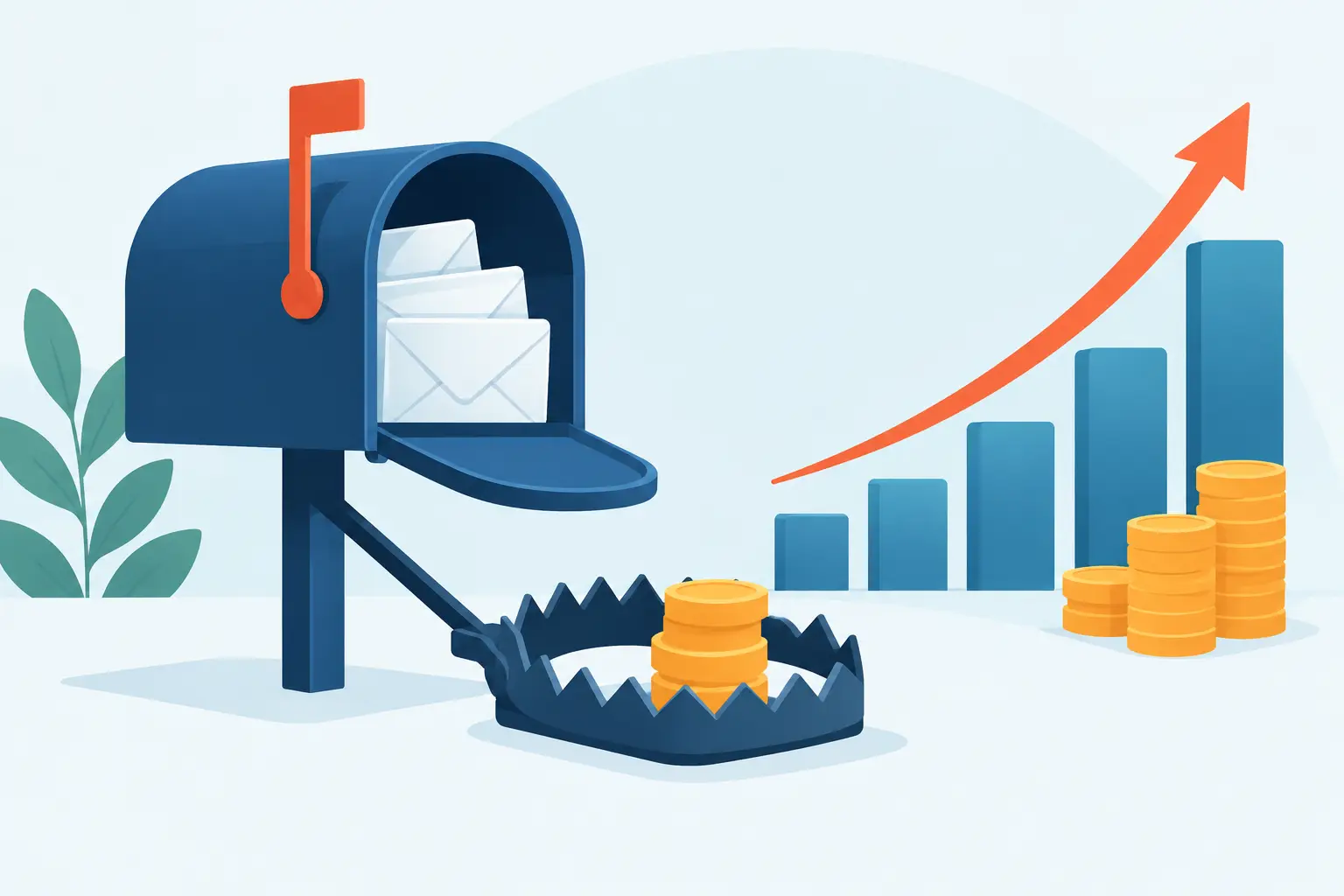
Mailbox Pricing Models That Penalize Growth
Mailbox pricing models often charge for headcount, not email use. Compare per-seat, tiered, and infrastructure pricing before your next renewal date.
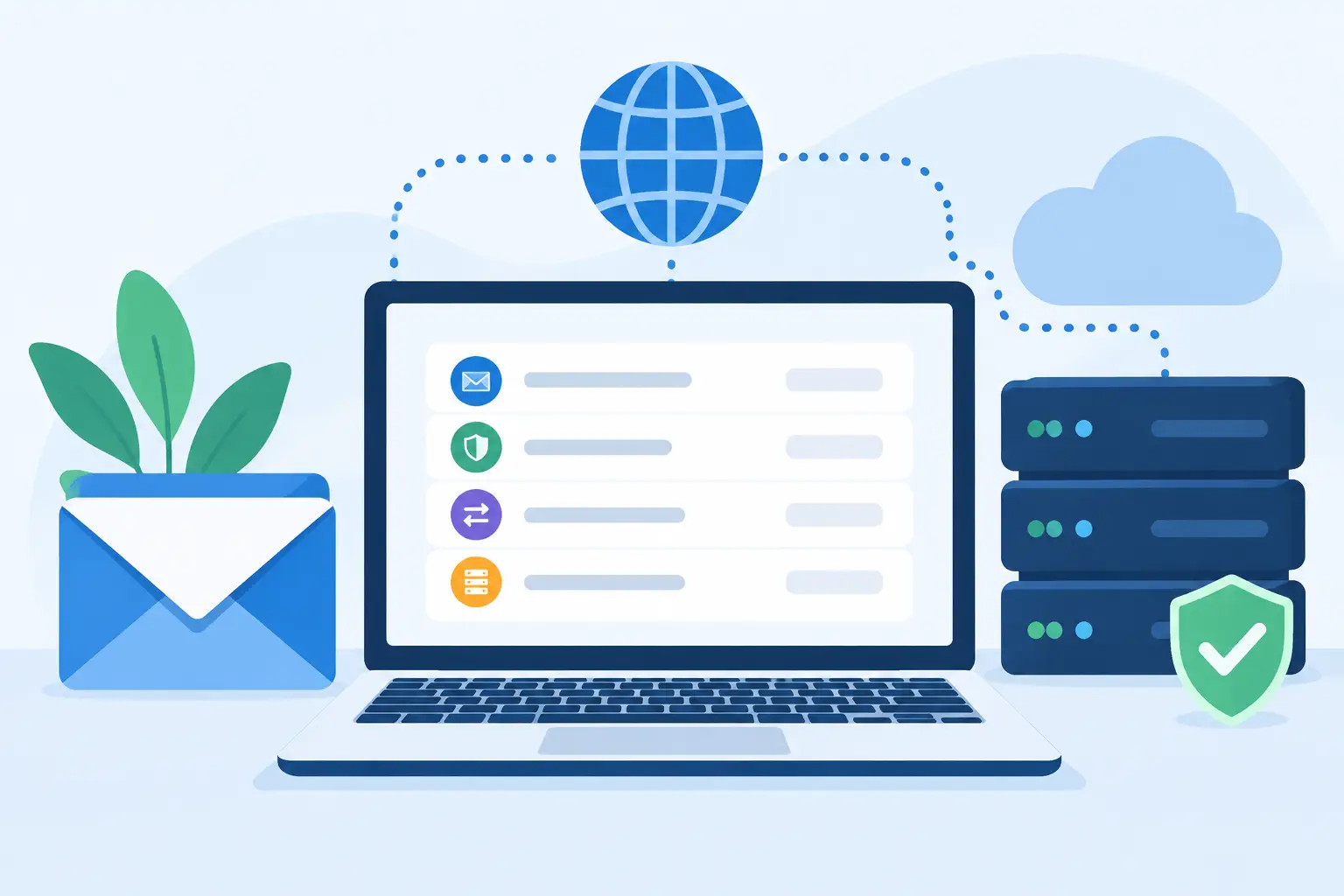
How to Configure DNS Email Records Without Guesswork
Learn how to configure DNS email records for reliable delivery, authenticated sending, and clean provider changes without breaking your existing mail.
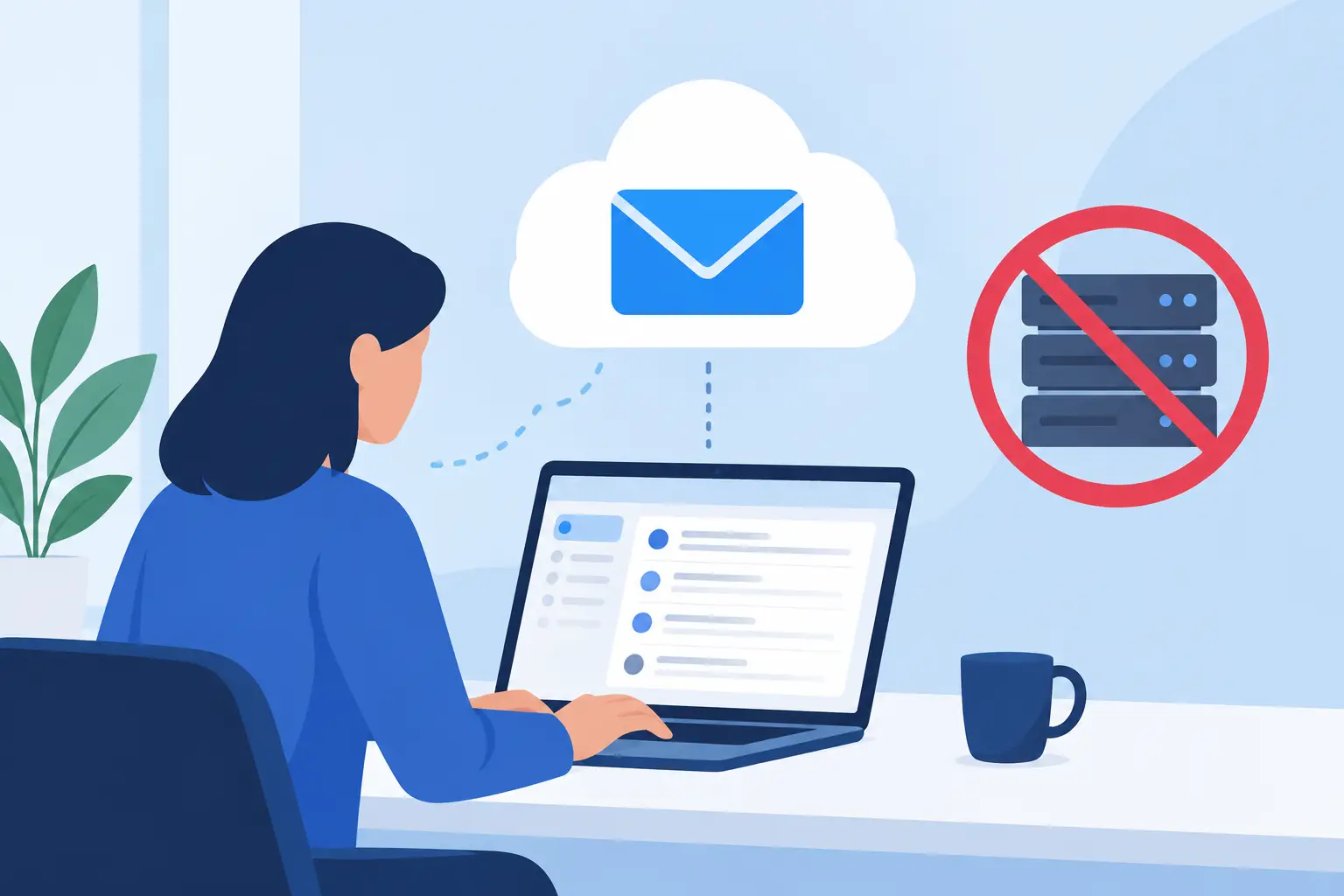
A Self Hosted Email Alternative Without the Server
A self hosted email alternative can cut server work without giving up your domain, standards-based access, migration control, or predictable costs yearly.
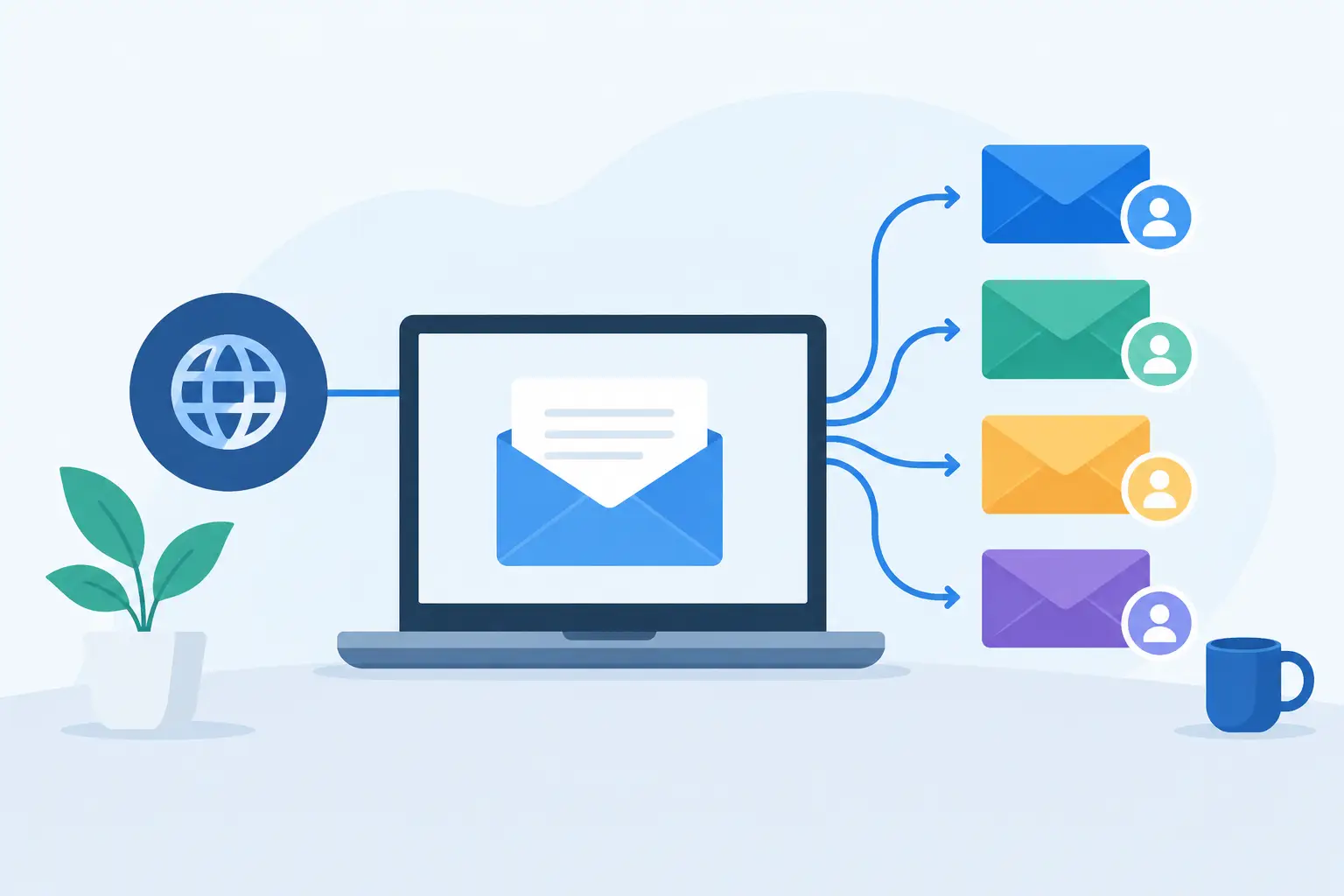
Email Aliases for Your Own Domain Explained
Email aliases own domain setups let you separate work, family, billing, and sign-ups without paying for extra inboxes or losing control. See trade-offs.
Why Use App Passwords for Email Security?
Why use app passwords? They let older email apps and devices work without exposing your main account password or weakening two-factor security at all.
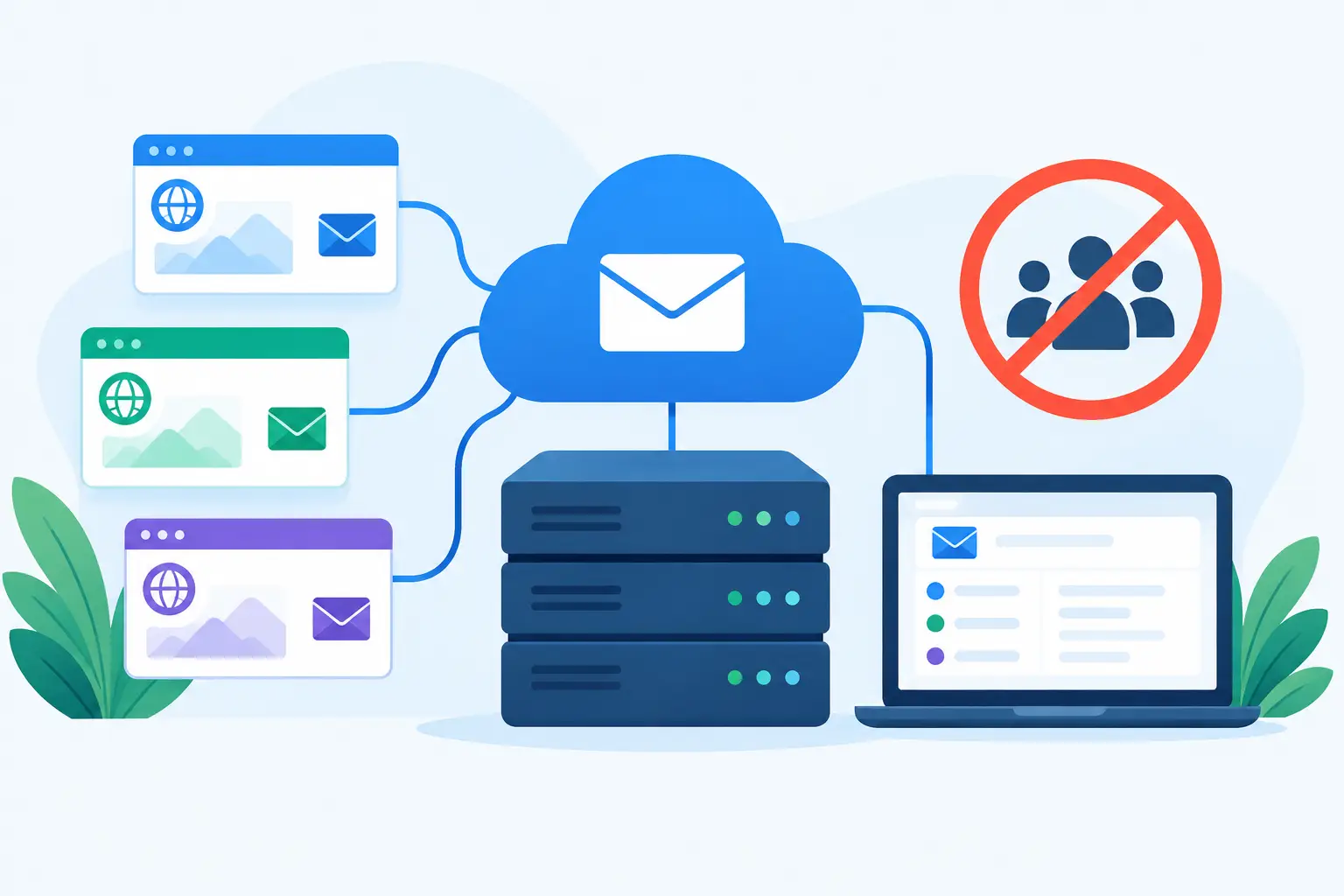
Email Hosting Multiple Domains Without Per-Seat Costs
Email hosting multiple domains lets you run brands, projects, and family addresses under one account without paying a separate fee for every mailbox too.

Email Hosting for Families Without Seat Fees
Email hosting for families puts everyone on your domain without per-user bills. Learn what matters, what to avoid, and how to set it up cleanly at home.
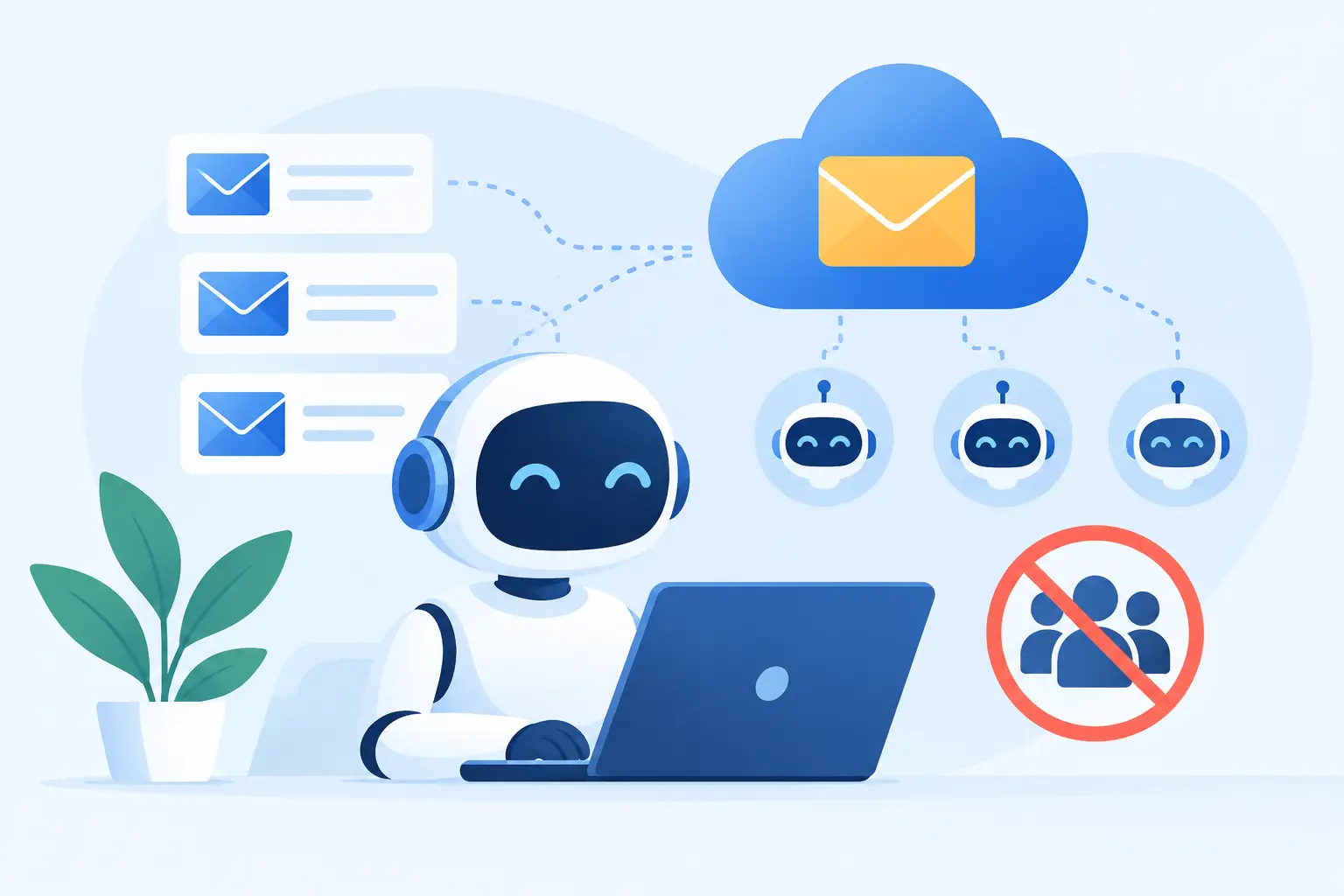
Email Hosting for AI Agents Without Seat Fees
Email hosting for AI agents needs real mailboxes, clear controls, and predictable costs. See how to set it up without per-seat billing or lock-in traps.
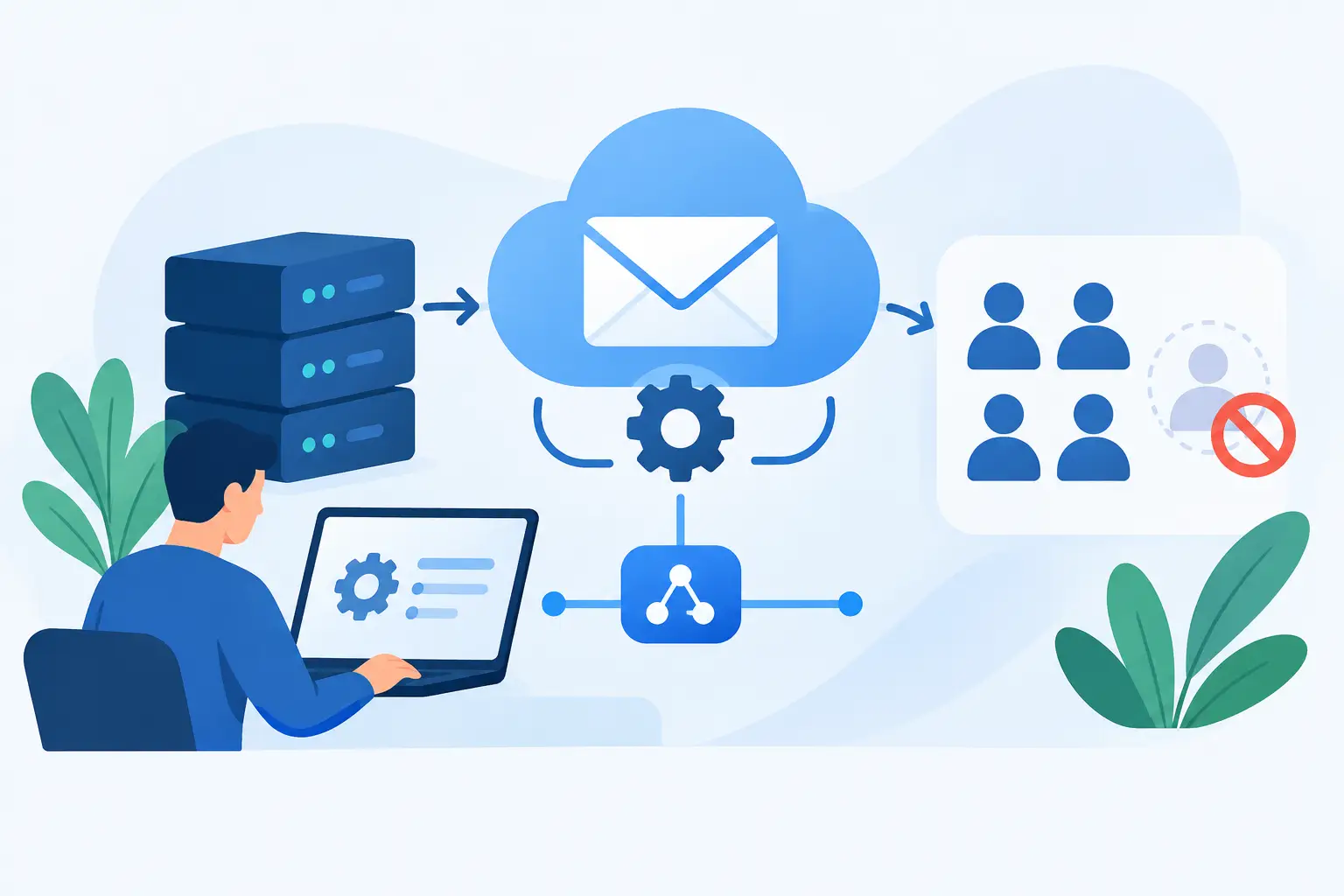
Email Hosting API Automation Without Seat Creep
Email hosting API automation lets small teams manage domains, mailboxes, DNS, and migrations without manual admin work or per-seat billing overhead.
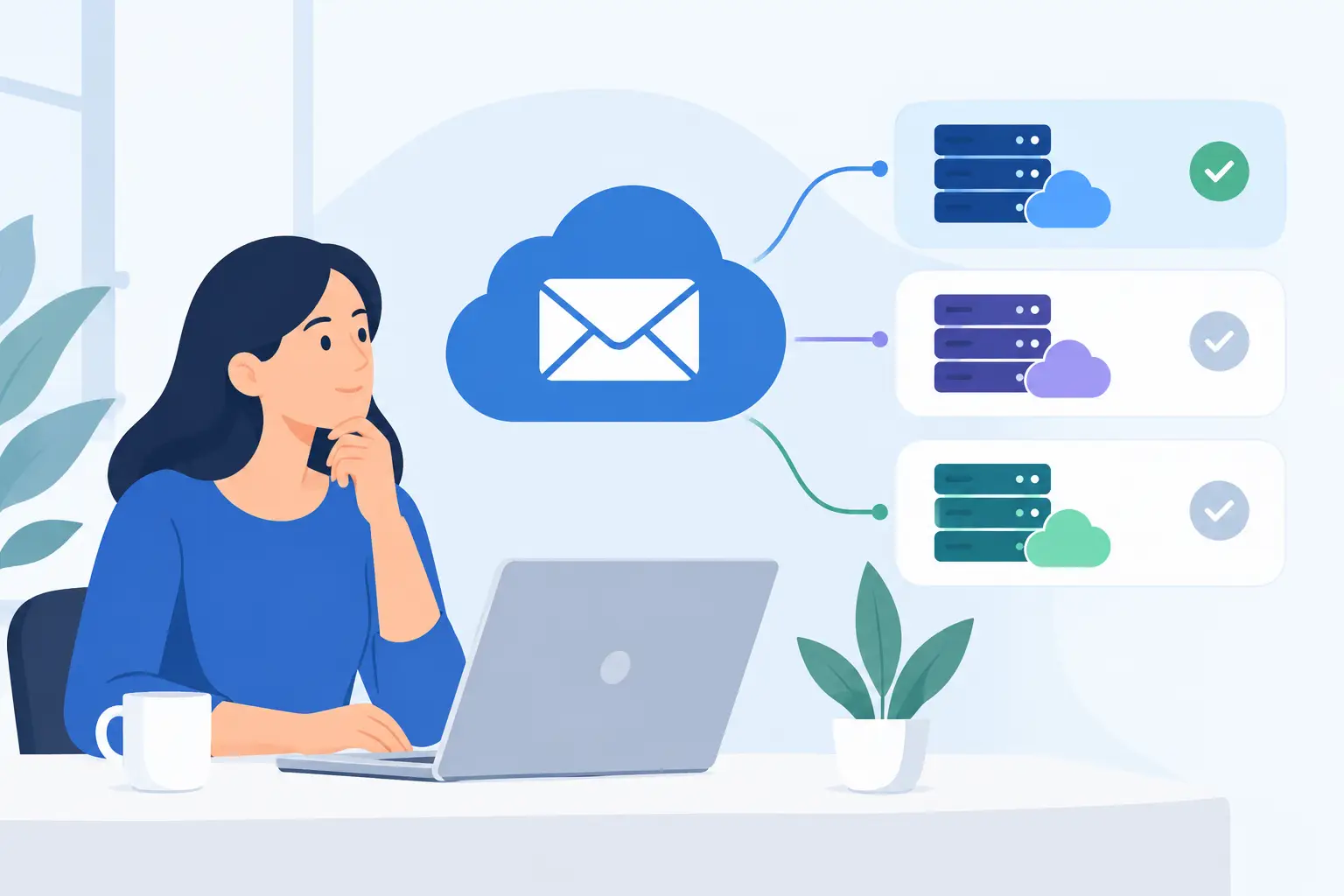
How to Choose a JMAP Email Hosting Provider
Choose a JMAP email hosting provider with clear pricing, standard access, migration options, DNS support, and the controls your domain actually needs.
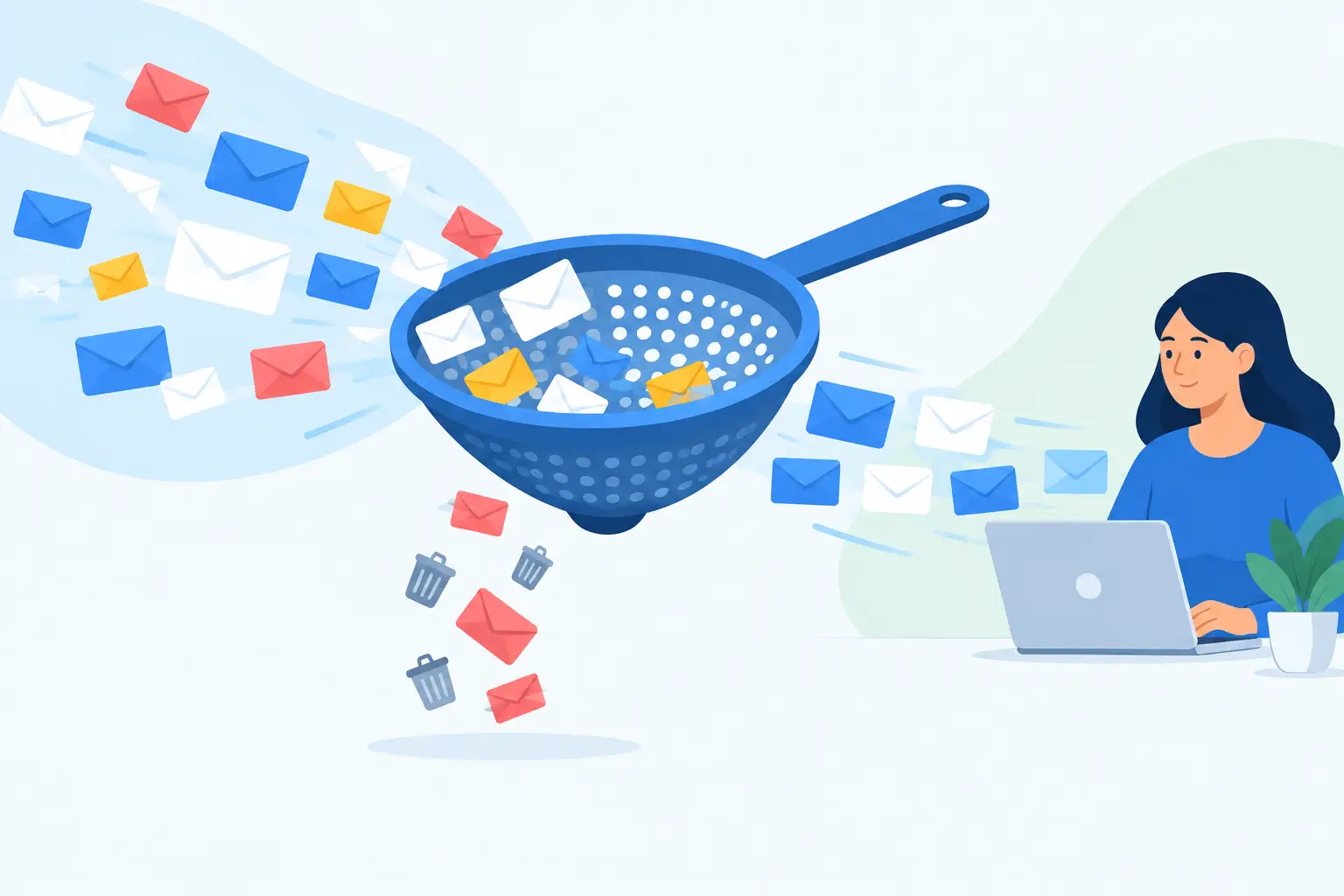
10 Sieve Email Filtering Examples That Save Time
Sieve email filtering examples for filing receipts, sorting alerts, stopping spam, and sending automatic replies without relying on a mail app alone.
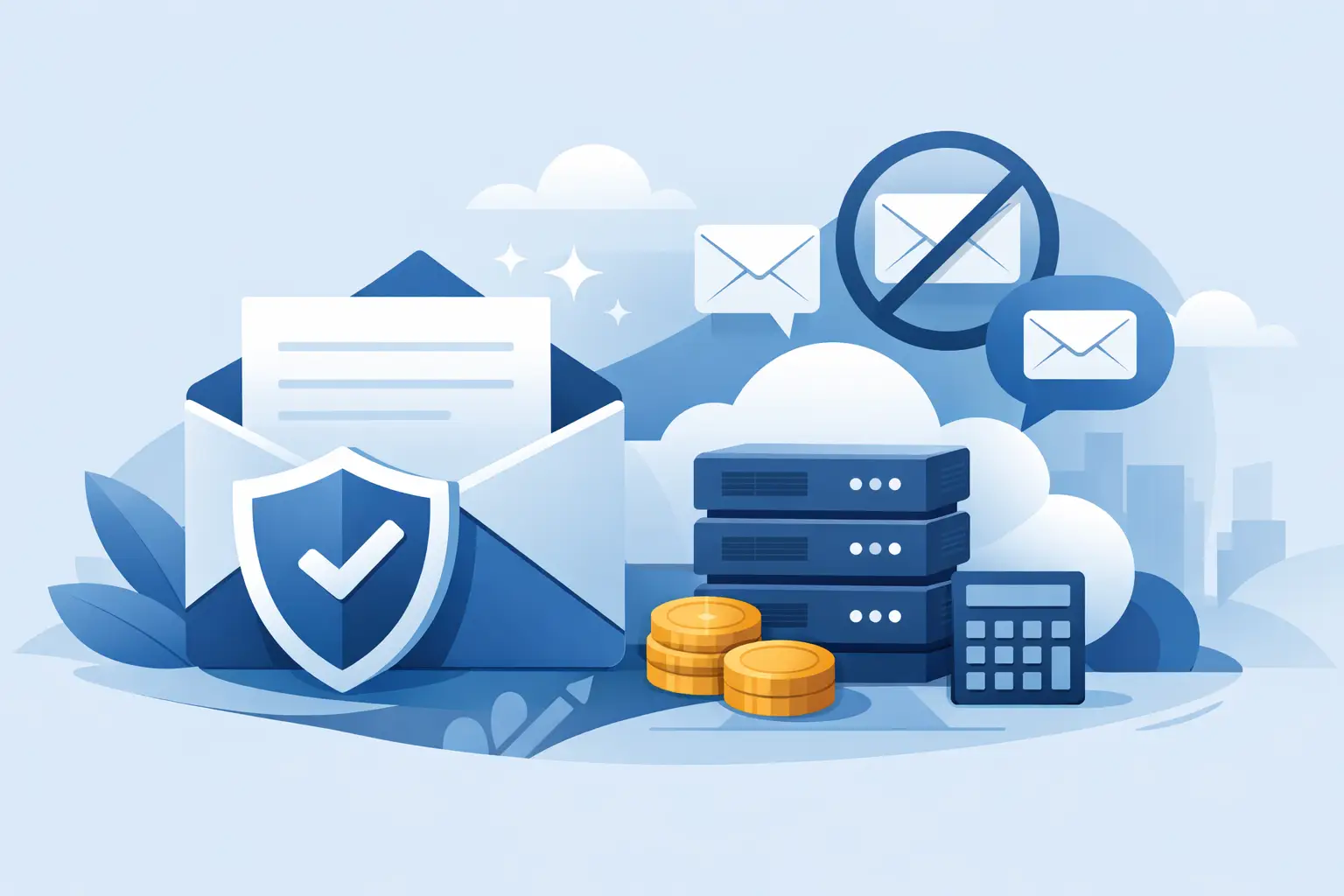
Email Hosting With No Ads: What You Actually Pay
Email hosting with no ads can protect focus and privacy, but the test is pricing, ownership, migration, and access to your mail.
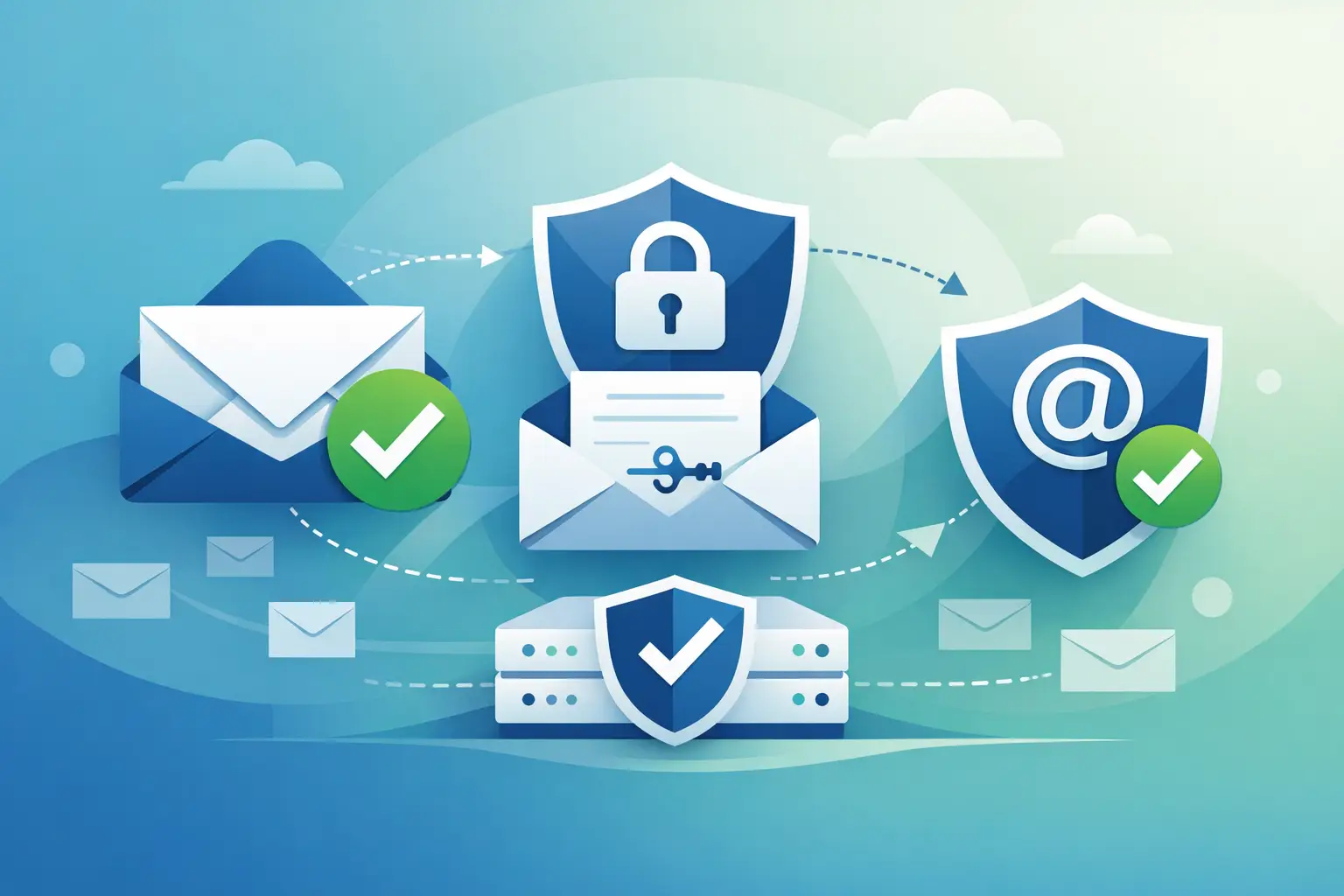
How to Set Up SPF DKIM DMARC Without Guesswork
Learn how to set up SPF DKIM DMARC records that authenticate legitimate mail, protect your domain, and avoid common DNS mistakes before delivery suffers.
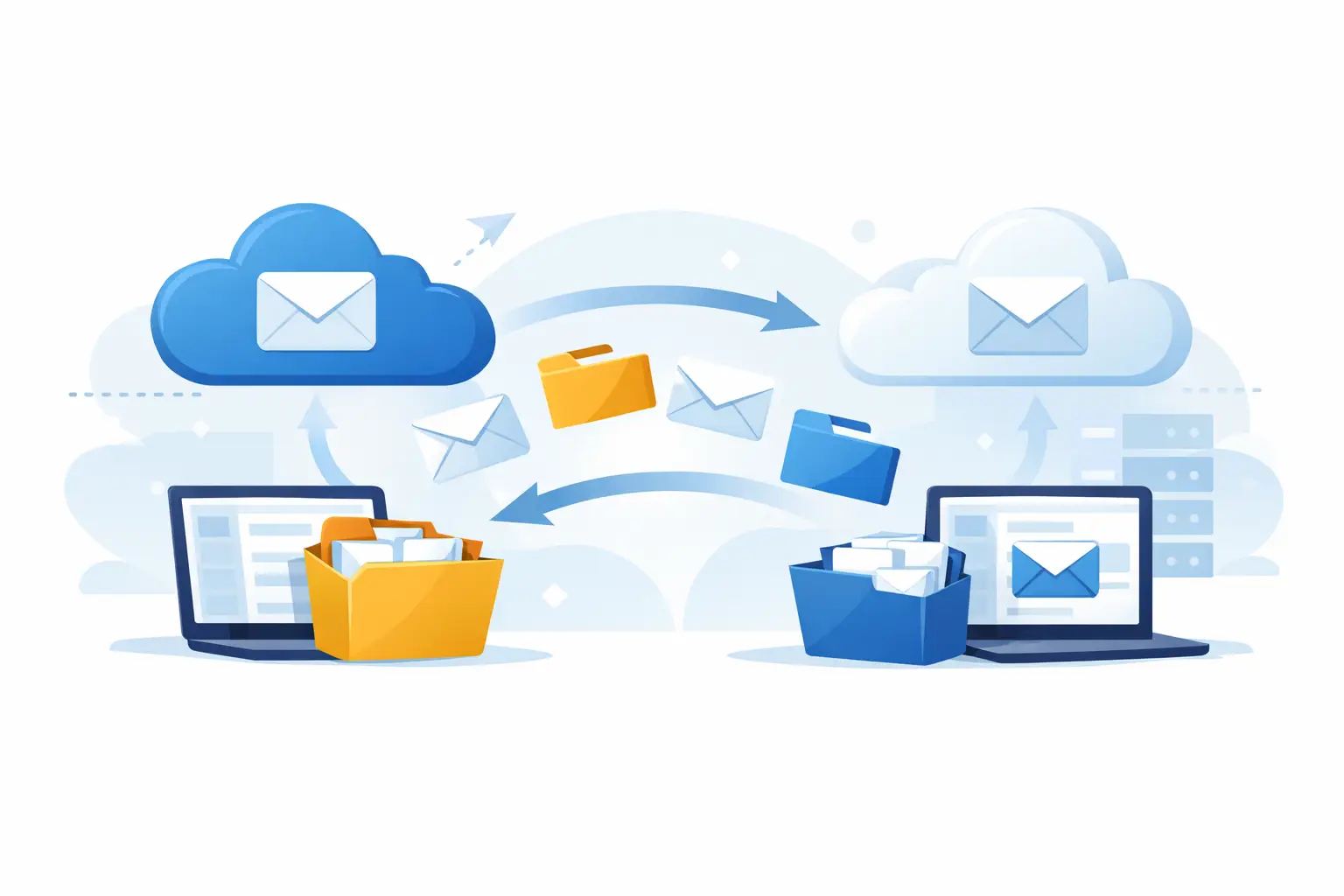
How to Transfer Old Email Folders Without Chaos
Learn how to transfer old email folders safely, preserve folder structure, avoid duplicates, and choose between IMAP migration, export, and archive access.
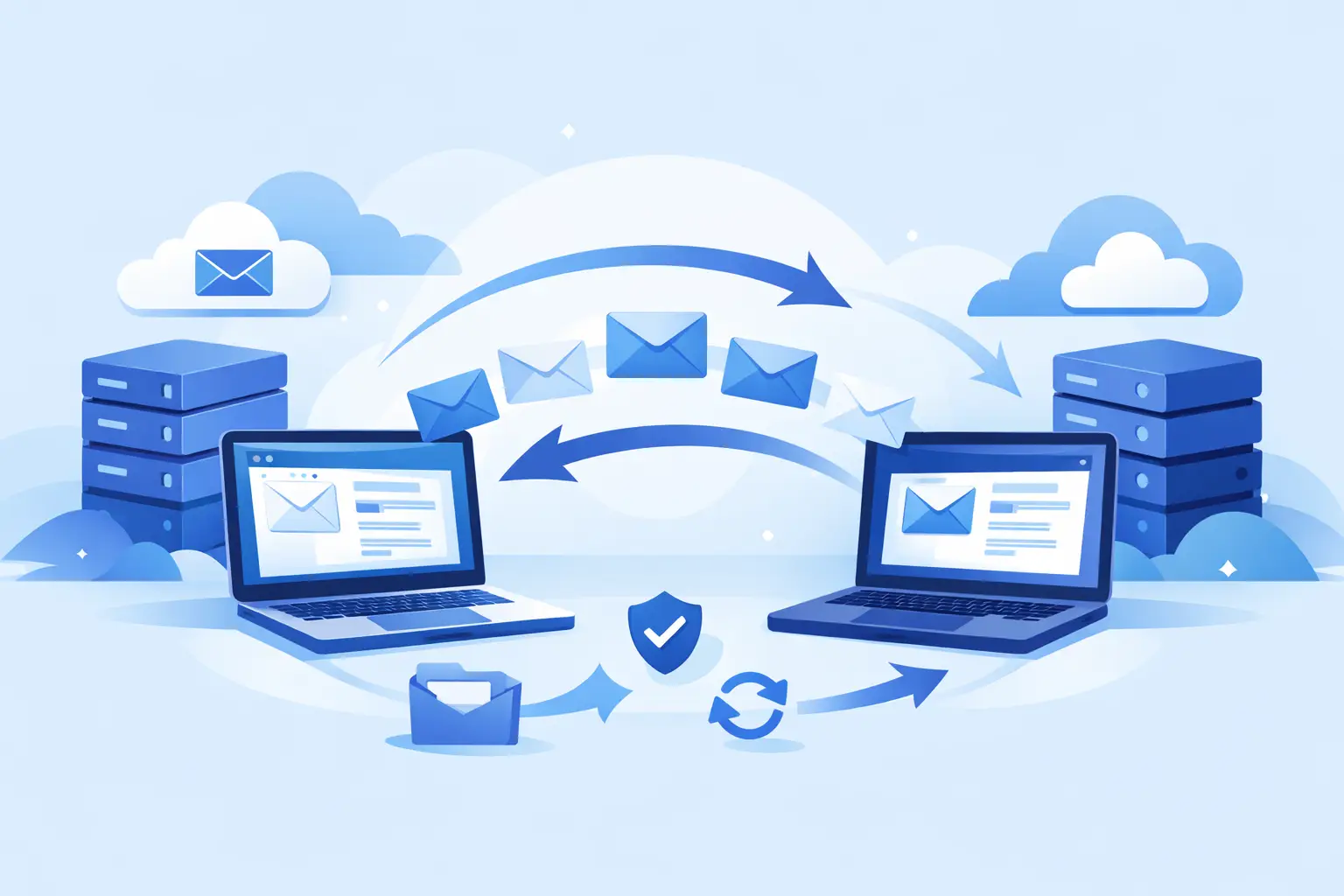
How to Migrate Email via IMAP Without Losing Mail
Learn how to migrate email via IMAP without losing old mail, breaking DNS, or paying per-seat fees. Plan, copy folders, test delivery, and switch safely.
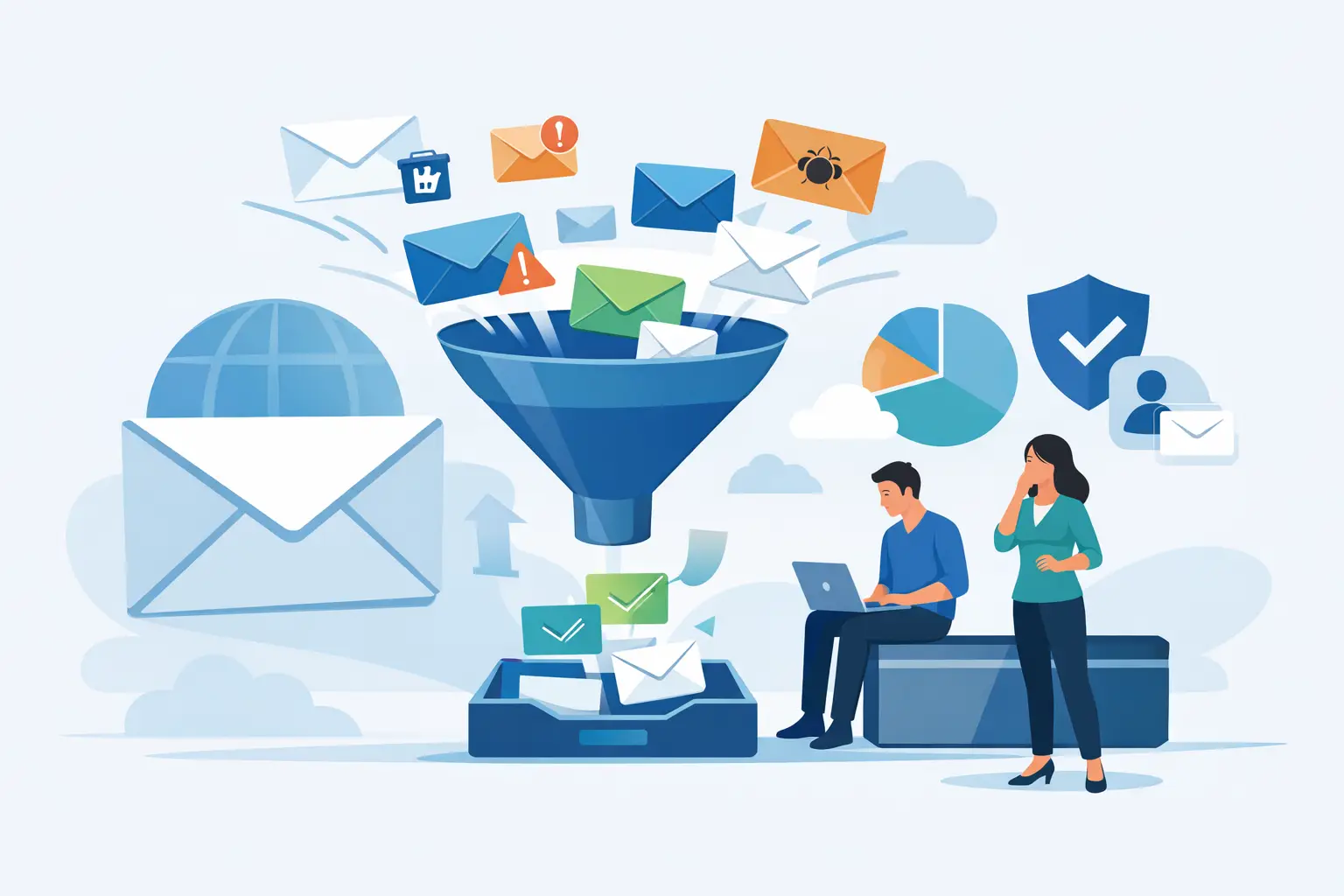
Is Catch-All Email for a Custom Domain Worth It?
Use a catch all email custom domain to receive every address at your domain. See the spam tradeoff, setup choices, and safer ways to handle mail properly.
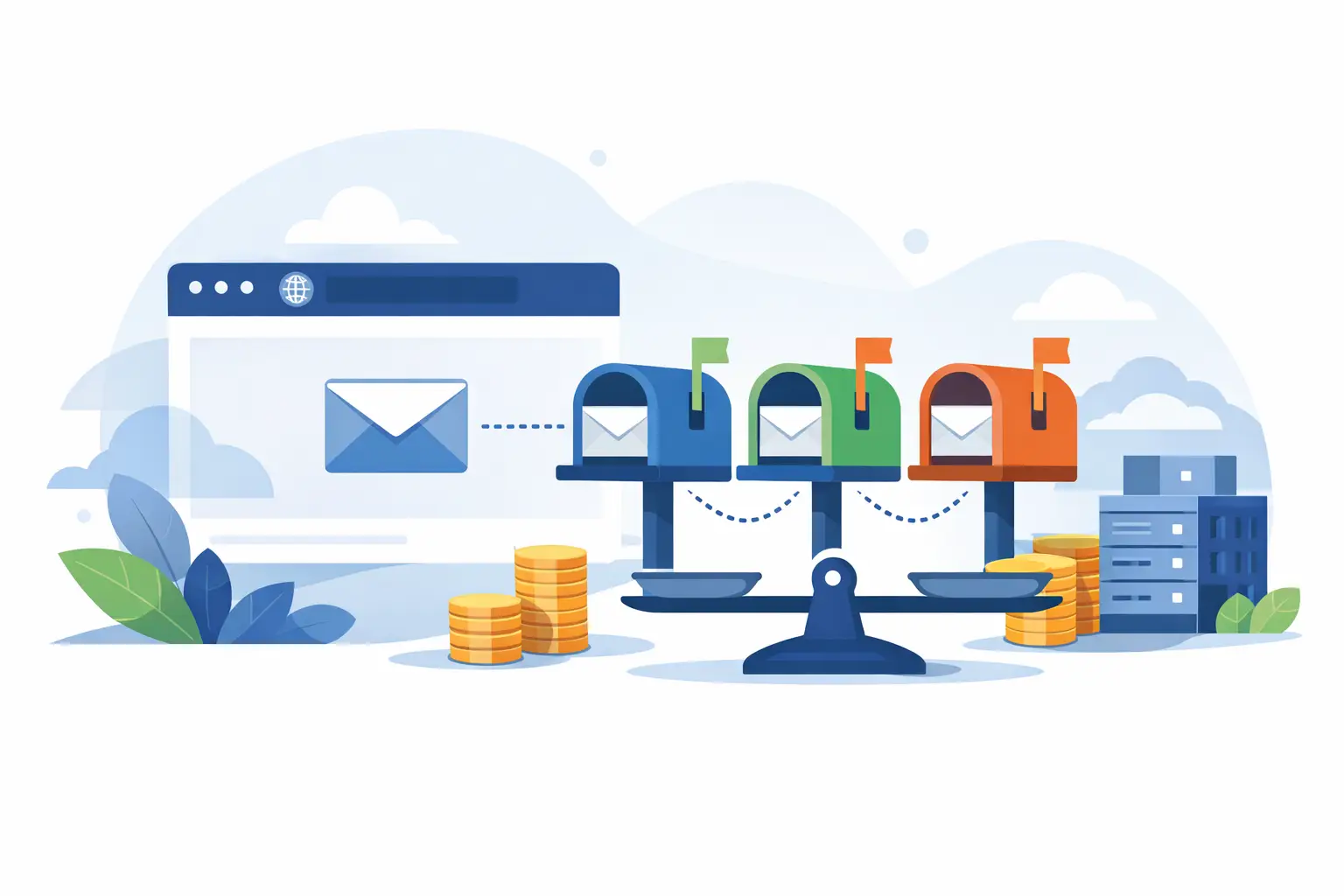
Unlimited Mailboxes on a Custom Domain, Priced Fairly
Unlimited mailboxes custom domain hosting means every address can have a purpose. Learn what matters, what costs, and where the limits should be clear.

Why Email Hosting Without Per User Pricing Wins
Email hosting without per user pricing keeps custom-domain email predictable as your team, family, aliases, and projects grow. Pay for storage, not seats.
Cheap Custom Domain Email Hosting That Stays Cheap
Cheap custom domain email hosting should not rise with every new address. See what matters, what costs more, and how to choose a plan that stays simple.